
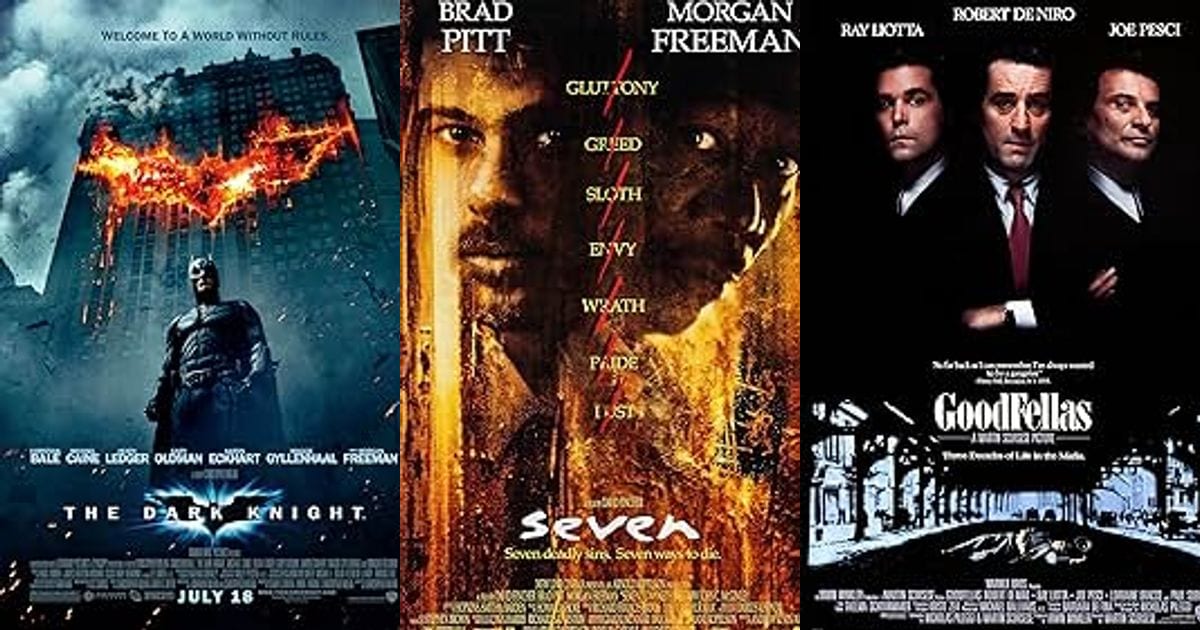
The Allure of the Dark Side
Heroes are constrained. They follow the rules, protect the innocent, and hold the moral high ground. Villains? They get to have all the fun.
Cinema's most enduring icons often aren't the ones in white hats — they're the agents of chaos. From Heath Ledger's Joker to Anthony Hopkins' Hannibal Lecter, a great villain captivates because they represent the id unleashed: doing what we secretly wish we could get away with.
The Rules Villains Don't Have to Follow
Every screenwriting class will tell you the hero needs an arc, a code, a reason to hold back. That's necessary — and it's also a leash. A hero who breaks too many rules stops being a hero. A villain has no such ceiling. They can lie, cheat, torture, monologue, blow up a building for the aesthetics of it, and the story doesn't need to apologize for them, because we already know what they are. That freedom from moral bookkeeping is precisely why villains get the showstopping scenes: the heist that actually works, the speech that actually lands, the plan that's three steps ahead of everyone in the room. Removing the leash doesn't just make villains dangerous, it makes them narratively unpredictable, and unpredictability is the lifeblood of drama.
Better Dialogue, Bigger Ambition
Villains routinely get sharper lines, cooler costumes, and messier motivations than the hero standing across from them. A hero wants to save the day. A villain wants to remake the world in their own image — and that ambition is inherently cinematic.
Look at how often the villain's dialogue is the part people actually quote afterward. Alan Rickman's Hans Gruber in Die Hard gets to be witty, cultured, and terrifying in the same scene — "I am going to count to three" is a better line, delivered better, than anything John McClane says that day. Loki spends multiple Marvel movies being funnier and more magnetic than half the Avengers combined, precisely because he's allowed to be petty, wounded, and sarcastic in ways a straightforward hero rarely gets to be. Even Darth Vader, a man who says maybe a hundred lines across the original trilogy, turns every single one into a quotable, chest-rattling event, because the film understands that scarcity plus menace equals impact.
The Hero of Their Own Story
The best villains don't think they're evil. Magneto survived the Holocaust and wants to protect his people. Thanos genuinely believes he's saving the universe from starvation. A villain with a point is infinitely more unsettling — and interesting — than one who's simply cruel.
Erik Killmonger in Black Panther is maybe the clearest recent example of this at work: his critique of Wakanda's isolationism while the African diaspora suffered under colonialism and its aftermath isn't wrong, exactly — it's his methods that are monstrous, not his diagnosis. That gap between "correct grievance" and "horrifying solution" is where the best villain writing lives. Two-Face in the Batman mythos is a tragedy wearing a villain's coat — a good man's face literally split down the middle by trauma. Even Thanos's math is the kind of thing that makes audiences uncomfortably pause and consider it for a second longer than they'd like to admit, before remembering that genocide is, in fact, still genocide. That flicker of hesitation is the whole trick. A villain who makes you agree with them for even one sentence has done something a purely evil cartoon villain never could.
They Notice Everything
Great villains also tend to be more observant than the hero. Hannibal Lecter dissects Clarice's shoes and perfume before she says a word; Anton Chigurh studies a coin toss like it's a philosophy exam. That heightened attention makes them feel dangerous even in total silence.
This isn't an accident of characterization — it's a deliberate power move built into the writing. Heroes are often reactive, scrambling to catch up to a plot that's already in motion. Villains, by contrast, are usually the ones who set the plot in motion, which means they've had time to plan, to watch, to notice the small details everyone else missed. Heath Ledger's Joker in The Dark Knight seems to read every character's psychology instantly and uses it against them within minutes of meeting them — he doesn't need weapons because he's already found everyone's weak point before the scene starts. Norman Bates in Psycho notices Marion Crane's nervousness, her appetite, her posture, long before we understand why any of it matters. Observation is a villain's superpower, and it costs the film nothing extra to write — no cape, no gadget, just attention, which might be the scariest thing a character can have.
The Psychology Behind the Fascination
There's a reason this isn't just a filmmaking trick but a genuinely psychological one. Carl Jung wrote about the "shadow self," the part of a personality that gets repressed because it's selfish, aggressive, or socially unacceptable — and villains give audiences a safe, consequence-free place to visit that shadow for two hours. Watching Hans Landa charm his way through a scene in Inglourious Basterds, or watching the Joker burn a mountain of cash just to prove a point, lets an audience feel the electricity of total disregard for consequence without ever having to actually disregard anything themselves. Catharsis theory in psychology suggests that experiencing intense emotions vicariously — fear, rage, delight in chaos — can be genuinely satisfying precisely because it's contained. The theater is a safe cage. The villain is the thing pacing inside it. That containment is what makes it fun rather than actually alarming, and it's a large part of why the scariest, nastiest characters in film history are also, somehow, some of the most beloved.
Villains Who Sing
Animation figured this out early and leaned into it hard. Disney villains routinely get the best musical number in the entire film, and it's rarely an accident — a great villain song is a chance for a character to state their worldview with more wit and swagger than the hero's earnest ballad ever could. Scar's "Be Prepared" in The Lion King is a small masterclass in fascist theater staged as a Broadway number. Ursula's "Poor Unfortunate Souls" in The Little Mermaid sells a terrible bargain so smoothly that audiences find themselves rooting for the trade. Gaston's self-titled song in Beauty and the Beast turns a shallow bully into a showstopper simply by letting him be completely, unapologetically pleased with himself. None of these songs exist to make the villain sympathetic — they exist because villainy, freed from the constraints of heroic modesty, is simply more fun to write, animate, and perform.
The Actor's Playground
Ask actors which roles they actually want to play, and villains win embarrassingly often — and Oscar history backs that instinct up. Anthony Hopkins won Best Actor for barely twenty minutes of screen time as Hannibal Lecter in The Silence of the Lambs. Heath Ledger won a posthumous Academy Award for the Joker in The Dark Knight. Javier Bardem won for the near-silent, almost supernatural menace of Anton Chigurh in No Country for Old Men. Christoph Waltz won twice playing morally repugnant men for Quentin Tarantino, first as a Nazi colonel in Inglourious Basterds and later as a bounty hunter's foil in Django Unchained. That's not a coincidence — villain roles hand actors permission to go bigger, stranger, and more theatrical than "likable protagonist" ever allows, and audiences, along with Academy voters, tend to reward the nerve it takes to go there.
Costume, Voice, and the Villain as Icon
Part of why villains linger in cultural memory long after a film ends is purely aesthetic. Heroes are frequently designed to be aspirational and therefore a little generic — a clean jaw, a bright costume, a face you're meant to project yourself onto. Villains get to be specific. Darth Vader's mechanical breathing and towering black silhouette turn him into a walking sound design cue. Cruella de Vil's severe monochrome hair and cigarette holder telegraph her entire personality before she speaks a word. The Joker's makeup, whether it's Ledger's smeared grease paint or Jack Nicholson's earlier grin, becomes shorthand for chaos itself. Studios understand this too — villains sell merchandise, headline posters, and anchor Halloween costume aisles decades after release, because a great villain design is built to be remembered, not just recognized.
When the Villain Steals the Movie
Sometimes the imbalance between hero and villain becomes the whole story people tell about a film afterward. Ask a room of people what they remember about The Dark Knight, and Ledger's Joker usually eclipses Christian Bale's Batman in the retelling, even though Batman is unambiguously the protagonist. The same happens with The Silence of the Lambs, where Lecter is on screen for a fraction of the runtime yet dominates the film's legacy so completely that people often misremember him as the main character. This isn't a flaw in these movies — it's a feature. A hero's job is to hold the center; a villain's job is to make you forget, even briefly, that the center was supposed to hold.
Quote of the century: Alfred Hitchcock put it best: "The better the villain, the better the picture." Without a great antagonist, the hero has nothing worth pushing against.
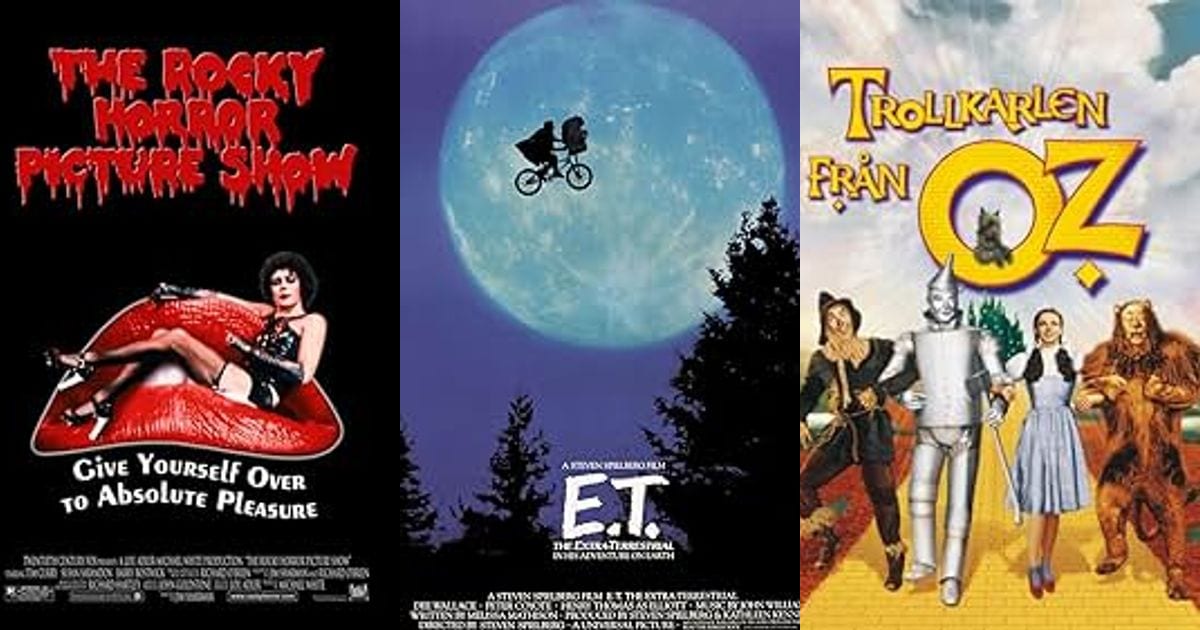
Bizarre Movie Facts That Sound Fake But Are 100% Real
A near-total wipe of Toy Story 2, a scream reused for seventy years, and a Joker payday that broke Hollywood math — the true stories behind movies are stranger than the movies themselves.
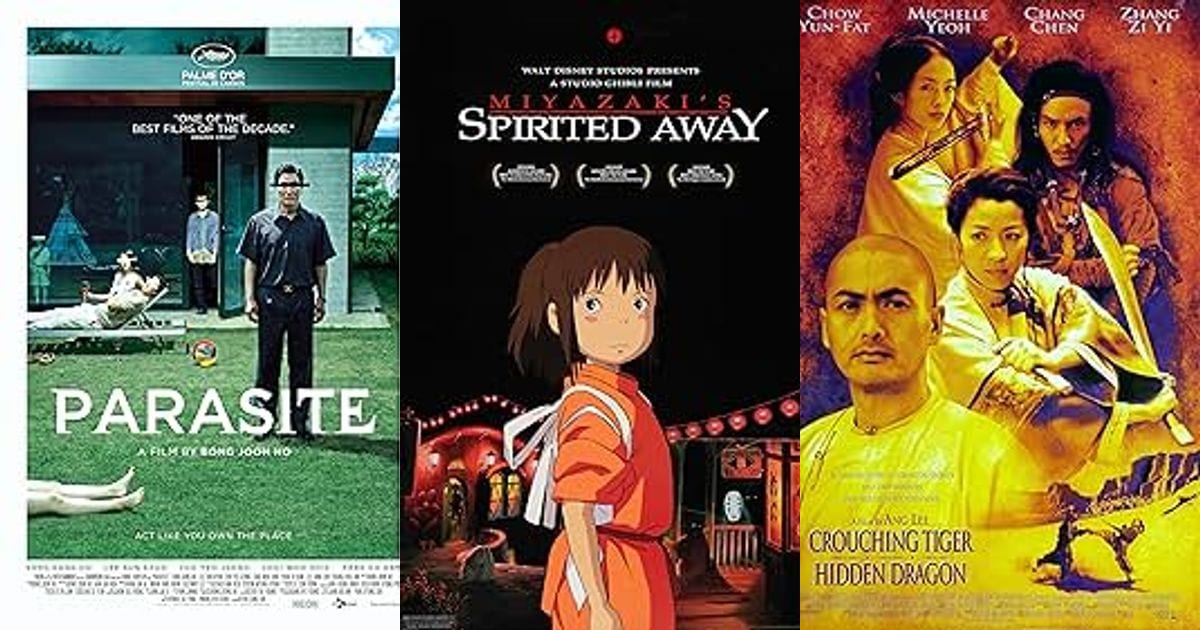
Lost in Translation: The Funniest Foreign Movie Titles Ever
Some translated movie titles are pure marketing genius, some are baffling, and a few beloved ones probably never existed at all. Here's a tour through the real, well-documented cases.
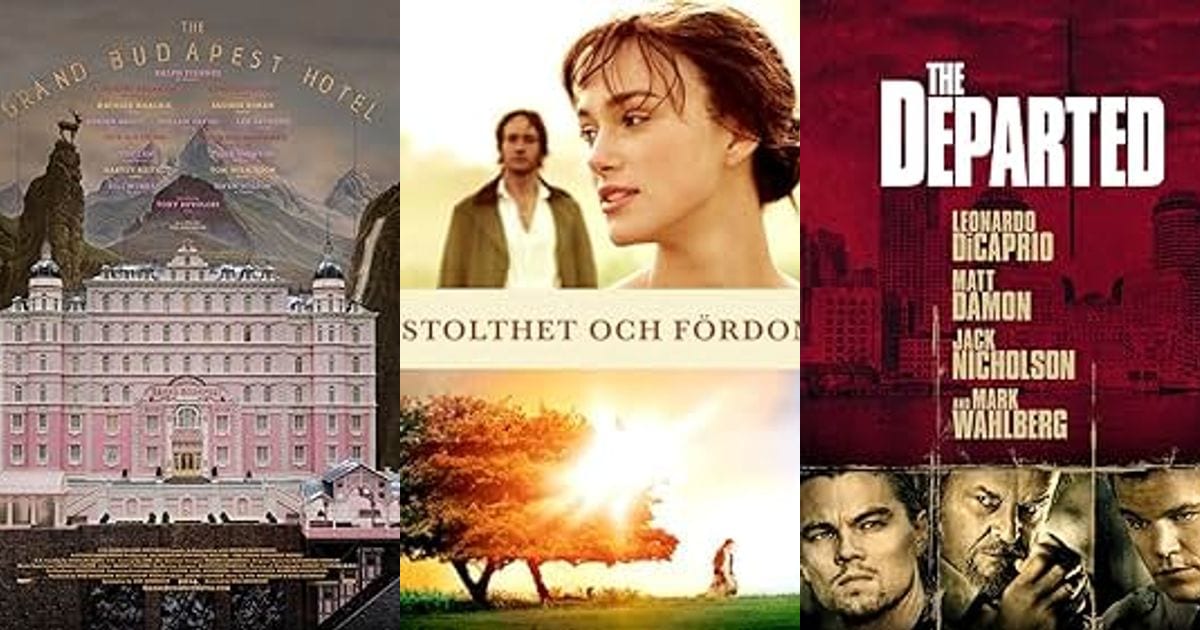
How Costume Design Tells a Story Before Anyone Speaks
No dialogue needed. Great costume design tells you exactly who a character is the moment they walk on screen.