
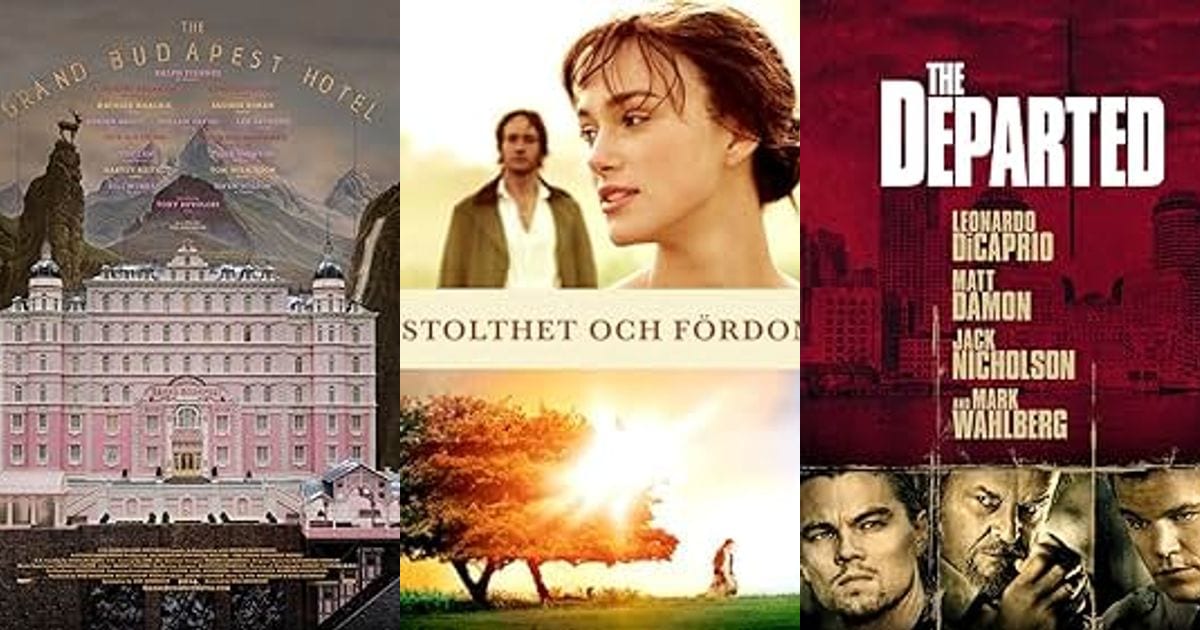
The Silent Storytellers
Directors, actors, and cinematographers get the credit reels. But long before a character says a word, we already know who they are — their status, their psychology, their arc — because of what a costume designer chose to put on their body. Great costume design isn't decoration. It's narrative.
It's also one of the most misunderstood crafts in filmmaking. Audiences tend to notice costume only when it's flashy — a superhero suit, a ballgown, something built to catch the eye. But the costume designer's real job happens in the quieter choices: the fade on a work shirt, the length of a hemline, the specific shade of navy a character wears in every scene until the one where they finally wear something else. Those choices are made months before a camera rolls, in fittings, fabric stores, and research libraries, by artists whose fingerprints are all over the finished film even though most viewers could never name them.
Clothes as Character Arc
Look at Indiana Jones: the fedora and leather jacket instantly read as rugged adventurer. Or watch Michael Corleone's wardrobe evolve across The Godfather — soft Ivy League tweed as an innocent civilian, hardening into sharp, dark, structured silk as he becomes a ruthless Don. The suits chart his soul's decline scene by scene.
This is the fundamental job of a costume designer on any character-driven film: translate an arc that might unfold across two and a half hours of screenplay into something the eye can register instantly. A costume designer will often build an entire "wardrobe timeline" for a character before shooting begins, mapping exactly how silhouette, color, and fabric should shift as the story progresses, so that even a viewer who missed a line of dialogue can still track where a character is emotionally just by glancing at what they're wearing. Think of how Anakin Skywalker's robes darken piece by piece across the Star Wars prequels, or how Katniss Everdeen's simple hunting gear in The Hunger Games gives way to Cinna's elaborate, fire-themed gowns as she's transformed into a media symbol against her will — the costume tells you she's being dressed as a weapon long before the plot confirms it.
Costume as Class and Power
Wardrobe is also one of cinema's fastest shorthand tools for status. A tailored suit versus an off-the-rack one, a hand-me-down coat versus a bespoke gown, tells an audience everything about who holds power in a scene before a single line of exposition is spoken. Sofia Coppola's Marie Antoinette, costumed by the legendary Milena Canonero, used candy-colored silks, towering wigs, and literal walls of shoes to visualize a court so obsessed with excess that it couldn't see its own downfall coming. Baz Luhrmann's The Great Gatsby, costumed by Catherine Martin, leaned on cascades of beading and metallic fringe to capture Jazz Age wealth as something dazzling and slightly unstable, glittering right up until it collapses. Even a film about people who have almost nothing can use clothing to say everything — patched, mismatched, oversized garments instantly communicate poverty and improvisation without a single line about money ever being spoken.
When Costumes Change Culture
Sometimes wardrobe reshapes fashion itself. When The Matrix hit theaters, costume designer Kym Barrett wrapped the cast in PVC, leather, and tiny sunglasses — and suddenly everyone wanted to dress like a cyber-goth hacker. That's the rare case where a film's costume language escapes the screen entirely and becomes streetwear, but it happens more often than you'd think. Grease sent leather jackets and poodle skirts back into fashion decades after they'd first gone out of style. Annie Hall put Diane Keaton in oversized menswear — baggy trousers, vests, ties — and helped kick off a wave of androgynous tailoring in women's fashion that designers still reference. The Devil Wears Prada turned its wardrobe into a plot device as much as a costume job, using Andy's transformation from frumpy cardigans to razor-sharp designer pieces to physicalize her seduction by an industry she claimed to disdain.
Building a World Out of Fabric
In science fiction and fantasy, costume design isn't just character work — it's world-building from scratch, with no existing culture to research and no photographs to consult. John Mollo's costumes for the original Star Wars had to convince audiences that Stormtrooper armor, Rebel flight suits, and Vader's black cowl all belonged to the same lived-in galaxy, and he did it partly by raiding military surplus stores and repurposing real motorcycle helmets rather than inventing everything from nothing. Jenny Beavan's work on Mad Max: Fury Road pushed the opposite direction, building a post-apocalyptic wasteland's clothing almost entirely out of scavenged, distressed, and deliberately ruined materials, so that every costume looked like it had been assembled by a desperate survivor rather than sewn by a professional. That distressing process — burning, sanding, dyeing, and physically abusing new fabric until it looks decades old — is its own specialized skill within the costume department, and it's just as essential to selling a world as any grand, pristine gown.
The Color Language of Costume
Costume designers think in color theory as rigorously as any painter. The Wizard of Oz famously dressed Dorothy in a blue gingham pinafore that reads as flat and ordinary against the sepia-toned Kansas of the opening reel, only to burst into saturated Technicolor the moment she lands in Oz — the clothing itself becomes part of the film's central visual joke about what it means to leave the ordinary world behind. Costume designers routinely assign characters specific color palettes and then break those palettes deliberately at the exact moment a character changes: a hero who has worn muted earth tones for an entire film suddenly appearing in white, or a villain's icy blues finally cracking into red. Audiences absorb these shifts instinctively, long before they could ever articulate why a particular scene feels like a turning point.
Research as Craft
Ruth E. Carter's work on Black Panther wasn't just "sci-fi clothes." She studied traditional wear from the Maasai to the Zulu and combined it with 3D printing to build an Afrofuturist aesthetic grounded in real history — and won the first-ever Oscar for a superhero film. That research-first approach is the norm for costume designers working on anything set in a specific culture or era, not the exception. Designers routinely spend weeks in museum archives, private collections, and academic libraries before a single sketch is drawn, because a costume that merely looks plausible on screen isn't good enough — it has to hold up to the scrutiny of viewers who actually know the history, and it has to feel authentic enough that the actor wearing it believes it too. Jacqueline Durran's work on Little Women drew directly from nineteenth-century New England dress patterns and hand-me-down mending techniques to visually separate the March sisters' genteel poverty from the wealth around them, right down to which characters get to wear new fabric and which are stuck re-altering old dresses.
The Original Icon
Before superhero films needed Afrofuturist armor, Edith Head was already proving costume design could win Oscars — she holds the record with eight wins across a career dressing everyone from Audrey Hepburn to Grace Kelly. Her rule still holds: costume should never distract from the story, only deepen it. Head worked at Paramount for decades, building relationships with stars so close that actresses would request her by name in their contracts, and she understood better than almost anyone that a costume's job is to make an audience forget they're looking at clothing at all. Her influence runs through generations of designers who followed, from Edith Head's own contemporaries dressing golden-age Hollywood glamour, to modern designers like Jenny Beavan and Colleen Atwood who've carried her Oscar tally into double digits between them across very different genres, from prestige drama to fantasy blockbuster.
Fun fact: Edith Head was so identified with the job that she became the inspiration for Edna Mode, the diminutive, imperious costume designer in Pixar's The Incredibles — proof that even animation studios recognize costume designers as characters worth celebrating in their own right.
The Craft Behind the Curtain
What rarely makes it into the conversation about costume design is just how much invisible labor goes into every scene. Costume departments build multiples of the same outfit — sometimes dozens — to survive stunt work, weather, and the reality that a scene shot over several days needs to look continuous even after a garment gets torn, soaked, or bloodied in take one. Continuity supervisors track exactly which button is undone in which shot, because audiences may not consciously register an inconsistency, but they'll feel that something is subtly wrong. Actors frequently talk about how a costume fitting is when a character finally "clicks" for them — putting on the right coat or the right pair of shoes can unlock a performance in a way that reading the script alone never did. That's the real argument for costume design as narrative craft rather than mere decoration: it doesn't just show the audience who a character is, it often helps the actor find that person in the first place.
Next time you watch a movie, mute the sound for thirty seconds. The wardrobe is already telling you the story.
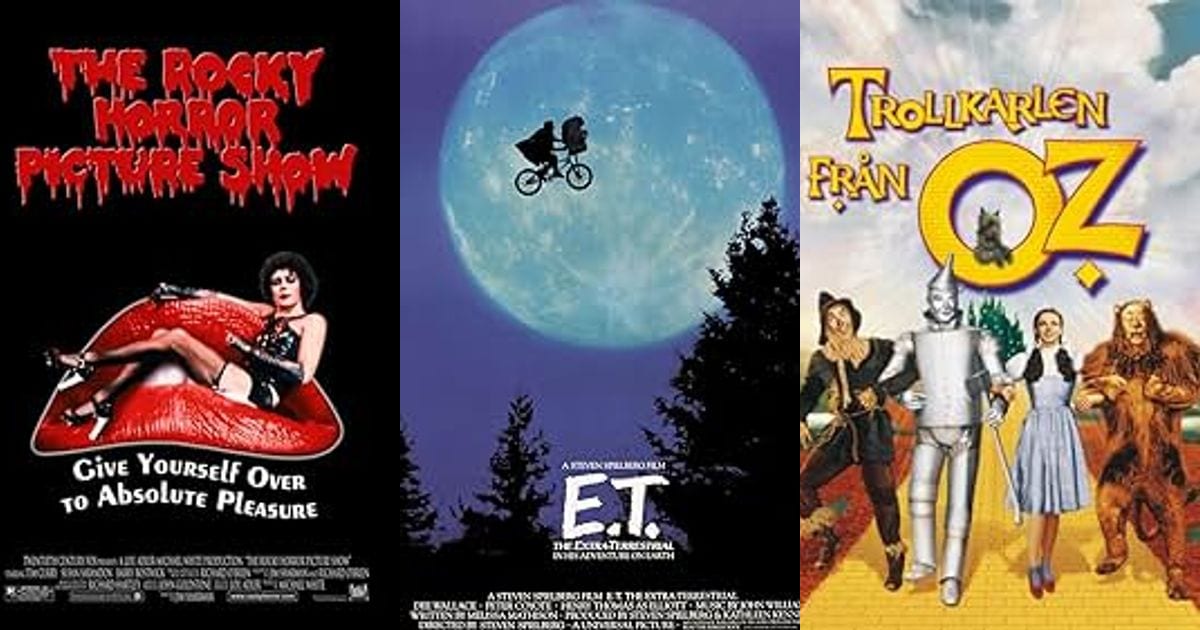
Bizarre Movie Facts That Sound Fake But Are 100% Real
A near-total wipe of Toy Story 2, a scream reused for seventy years, and a Joker payday that broke Hollywood math — the true stories behind movies are stranger than the movies themselves.
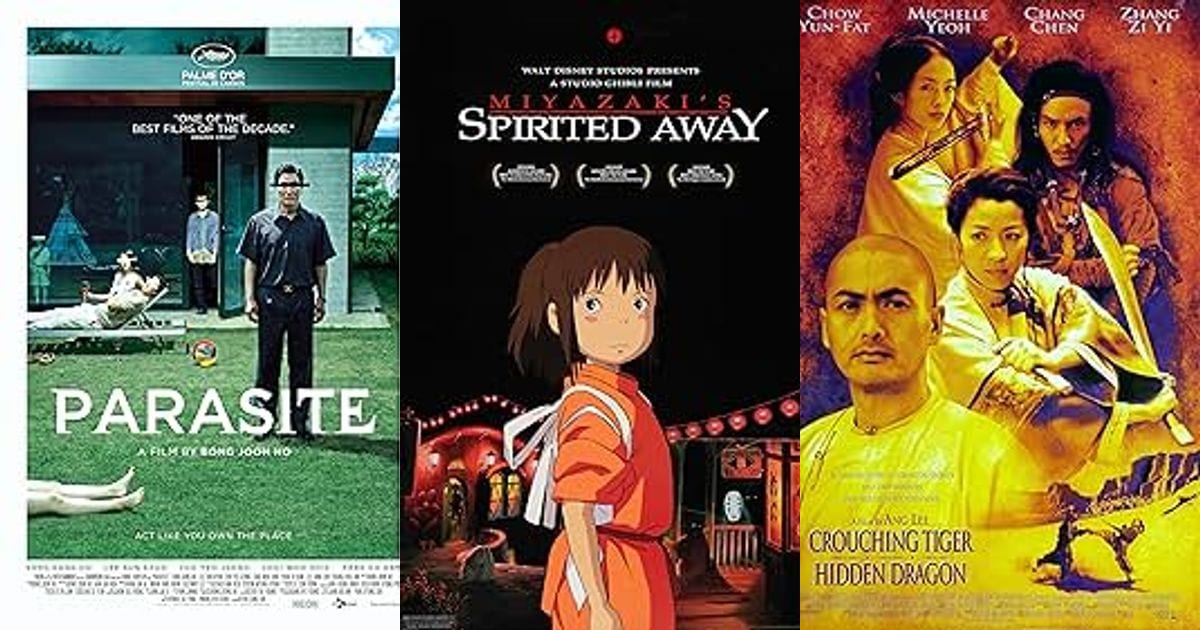
Lost in Translation: The Funniest Foreign Movie Titles Ever
Some translated movie titles are pure marketing genius, some are baffling, and a few beloved ones probably never existed at all. Here's a tour through the real, well-documented cases.
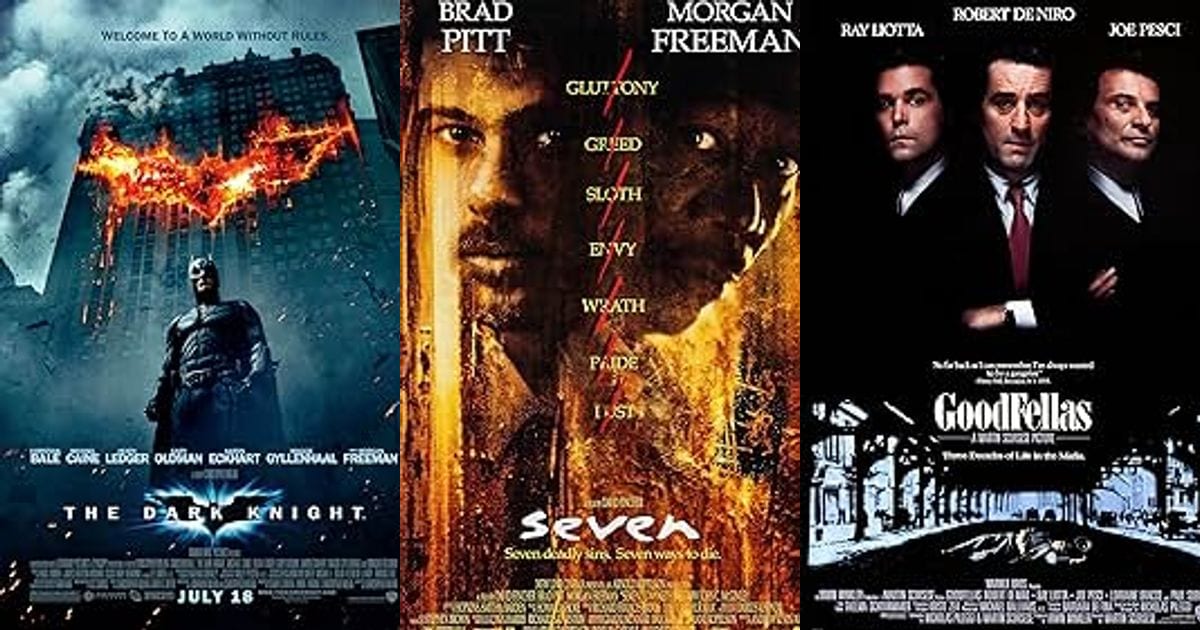
Why Movie Villains Are More Fun to Watch Than the Heroes
Heroes have to be good. Villains get to be interesting. Here's why the bad guys steal the show.