
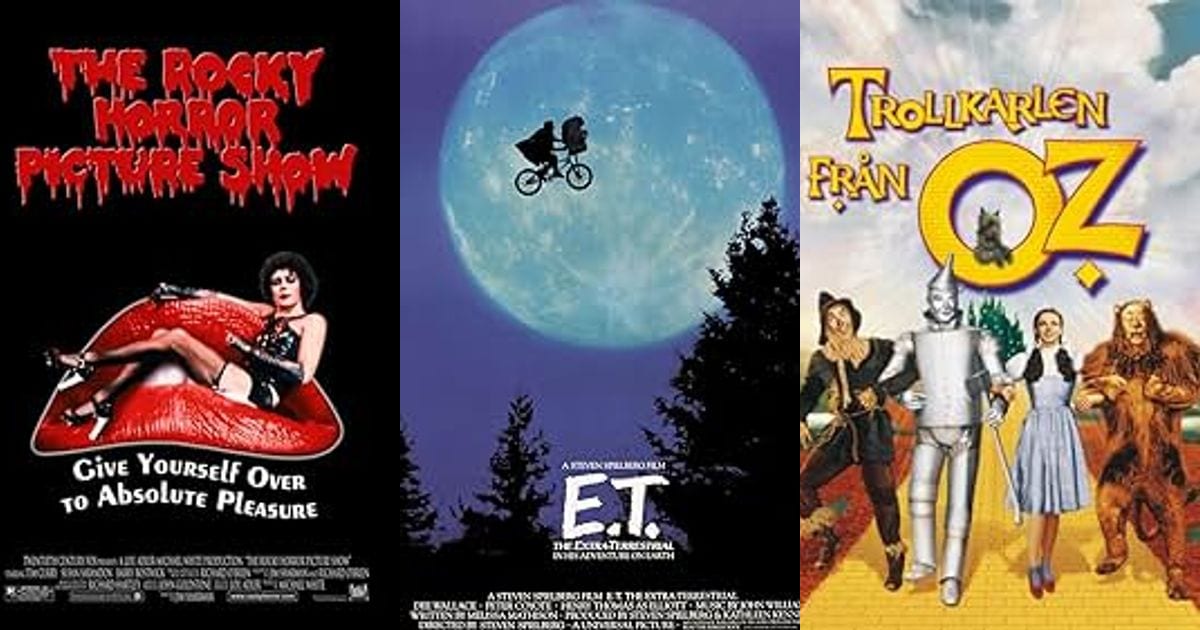
The Truth Is Weirder Than the Screenplay
Movies ask us to believe in wisecracking raccoons, time-traveling DeLoreans, and dinosaurs cloned from mosquito blood trapped in amber. We buy all of it without blinking. But some of the strangest stories in film history never made it onto the screen at all — they happened behind it, in server rooms, contract negotiations, sound archives, and catering tents, and they are considerably stranger than anything a screenwriter would have the nerve to pitch.
These are the facts that sound like they were invented for a trivia night dare, the kind of claim that gets you a raised eyebrow and a demand for a source. Every single one below is real, well documented, and confirmed by the people who lived through it — production insiders, sound archivists, contract lawyers, and in a couple of cases, the actual FBI. Buckle up, because Hollywood's backstage reality is every bit as strange, chaotic, and improbable as anything that made it to the trailer.
The Command That Almost Erased Toy Story 2
In 1998, with Toy Story 2 deep in production, someone at Pixar ran a command intended to clean up unused files. Instead, it began systematically deleting the movie itself. Character models, animation, lighting, entire sequences — all of it started vanishing in real time. Technical director Oren Jacob has described watching it happen live: Woody's hat disappeared first, then his boots, and within minutes Woody himself was gone entirely, along with roughly two years of accumulated work, in what added up to about ninety minutes of footage wiped out in something like twenty to thirty minutes flat.
Here is the part that turns this from a disaster story into a genuine miracle: Pixar's automated backup system had also been silently failing for months, so there was no clean safety net waiting in the wings. The film survived purely by accident. Supervising technical director Galyn Susman had recently had a baby and was working part-time from home, which meant a nearly complete copy of the film happened to be synced to her home computer. A team physically drove to her house, unplugged the machine, and carried it back to the studio like it was carrying the film's entire skeleton in a cardboard box. Without that one arrangement made for entirely unrelated reasons — new parenthood, not disaster planning — Toy Story 2 as we know it might not exist. Pixar has since told the story publicly many times, including in Ed Catmull's memoir Creativity, Inc., partly because it's such a clean illustration of how fragile even a big-budget production really is, and partly because it makes for one of the best "we almost lost everything" stories in studio history.
The Scream Hollywood Can't Stop Reusing
Somewhere in Warner Bros.' sound archive sits a single scream recorded for the 1951 film Distant Drums, originally used for a man being pulled under by an alligator. Two years later, that same recording got recycled for a minor soldier character named Private Wilhelm in The Charge at Feather River, who takes an arrow to the leg and lets out the exact same holler. Nobody thought much of it at the time. It should have stayed a forgotten stock sound effect from a forgotten Western.
Instead, sound designer Ben Burtt rediscovered the clip decades later while working on the original Star Wars, nicknamed it the Wilhelm Scream after the character who first hollered it, and started slipping it into every project he touched as a private signature. Other sound editors caught on and turned it into a full-blown inside joke, a tradition that has since spread across hundreds of productions. It has shrieked its way through the entire Star Wars saga, the Indiana Jones films, Lord of the Rings, Reservoir Dogs, Kill Bill, and even animated films like Toy Story, usually the instant before some poor extra falls off a cliff, gets thrown from an explosion, or tumbles out of frame. Once you know it exists, you cannot unhear it — and plenty of film fans have built entire hobbies around spotting it, which is exactly the kind of rabbit hole we love pointing people toward in more movie stories like this. Sound editors have reportedly kept the tradition alive largely out of affection for Burtt and for the joke itself — it costs nothing to include, it never affects the story, and it rewards the tiny slice of the audience paying close enough attention to notice.
The Joker Payday That Broke Hollywood's Math
When Jack Nicholson signed on to play the Joker in Tim Burton's 1989 Batman, he didn't just negotiate a fee — he negotiated a piece of the entire operation. Instead of taking a conventional up-front salary, Nicholson's deal reportedly included a percentage of the film's box office gross plus a cut of merchandising revenue, an almost unheard-of structure for a supporting villain role at the time. Reportedly, Nicholson's team also secured favorable billing and script approval, giving him unusual creative leverage for what was, on paper, a secondary role in someone else's franchise.
Batman went on to become one of the biggest hits of the decade, and merchandising exploded right alongside it, from t-shirts to lunchboxes to that unmistakable bat-symbol on seemingly every product in every mall in America. Because Nicholson's compensation was tied directly to that success rather than capped by a flat number, his eventual take has been widely reported to land somewhere between sixty and ninety million dollars — for playing a supporting character in a comic book movie. The deal reportedly reshaped how studios approached A-list contracts on franchise films for years afterward, since every agent representing a star suddenly had a very concrete example of what backend points could actually be worth, and it's frequently cited as a turning point in how much leverage a bankable star could demand from a studio banking on a sequel-friendly franchise.
The Candy Company That Said No to E.T.
Before Reese's Pieces became forever linked to a homesick alien, Steven Spielberg's production team went shopping for a candy brand willing to appear in the film's now-iconic trail-of-treats scene. Their first call was to Mars, the maker of M&M's, hoping to use the famous chocolate candies to help Elliott lure E.T. out of hiding. Mars turned the offer down, reportedly wary of tying its bright, friendly candy brand to a movie built around a strange-looking creature that some worried audiences might find unsettling rather than lovable.
Hershey said yes instead, offering up Reese's Pieces, a candy that at the time was nowhere near as famous as M&M's. That gamble paid off spectacularly. After E.T. the Extra-Terrestrial hit theaters in 1982, Reese's Pieces sales reportedly spiked dramatically within weeks of release, turning what had been a relatively minor product into a genuine household name almost overnight. Marketing analysts still point to this moment as one of the earliest, clearest proofs that a well-placed prop inside a beloved movie could move more product than an entire traditional ad campaign — all because one company said yes to a script the other company read and quietly passed on. It's since become a cautionary tale that studio marketing teams still tell new brand partners: sometimes the safer, more cautious choice is the one that costs you the bigger opportunity.
The Actor Who Got Millions for Twelve Minutes
Nicholson's Joker payday sounds outrageous until you remember Marlon Brando got there first. For 1978's Superman, Brando played Jor-El, Superman's father, in a role that amounts to roughly a dozen minutes of total screen time. His deal, however, was anything but minor: reportedly a guaranteed multi-million-dollar upfront payment plus a healthy percentage of the film's gross profits, a structure that eventually pushed his total earnings for the role into the tens of millions.
Brando made the arrangement even stranger by famously refusing to memorize his lines. Reports from the set describe him reading his dialogue off cue cards taped to props, to a co-star's chest, and even off a diaper on a baby doll standing in for the infant Kal-El. He collected an enormous sum for a role he barely bothered to learn the words to, which somehow makes the deal feel even more audacious rather than less — proof that in Hollywood, star power negotiated correctly can be worth more per minute than almost any other job on the planet.
The Chowder That Sent a Film Crew to the Hospital
Filming Titanic in Nova Scotia in the mid-1990s came with its own share of chaos, but nothing tops the night someone laced the crew's clam chowder with PCP, commonly known as angel dust. Dozens of cast and crew members reportedly fell ill afterward, some experiencing hallucinations, and several people, including a visibly affected James Cameron, ended up needing medical attention. Actor Bill Paxton was among those taken to the hospital that night.
Investigators looked into the incident, suspecting a disgruntled crew member had spiked the food as an act of sabotage or revenge, but the culprit was never definitively identified. It remains one of the strangest true stories connected to one of the highest-grossing films ever made — a production already infamous for its brutal shooting conditions, somehow topped by a single unsolved case of accidental mass dosing.
Fun fact: Sylvester Stallone wrote the entire script for Rocky in roughly three and a half days and reportedly turned down offers as high as several hundred thousand dollars for the screenplay alone, refusing to sell it to any studio unless he was cast as the lead.
Every one of these stories shares the same punchline: the truth needed no embellishment. A near-total wipe saved by a new parent's home computer, a seventy-year-old scream turned into an industry inside joke, paydays negotiated like lottery tickets, a candy deal born from someone else's rejection, and a mystery that never got solved — none of it was scripted, and all of it happened anyway. What makes these stories so satisfying isn't just the shock value, either. It's that they reveal how much of moviemaking is improvisation, luck, and ordinary human error dressed up after the fact as a triumphant behind-the-scenes anecdote. The finished film glides across the screen looking inevitable, polished, and intentional in every frame, but somewhere behind that polish is usually a far messier story involving a panicked phone call, a stubborn negotiation, a forgotten archive tape, or a prank that went sideways. Next time a movie makes you say "there's no way that's real," remember that the story happening just off camera, the one nobody storyboarded or rehearsed, might be the one you should actually be asking about.
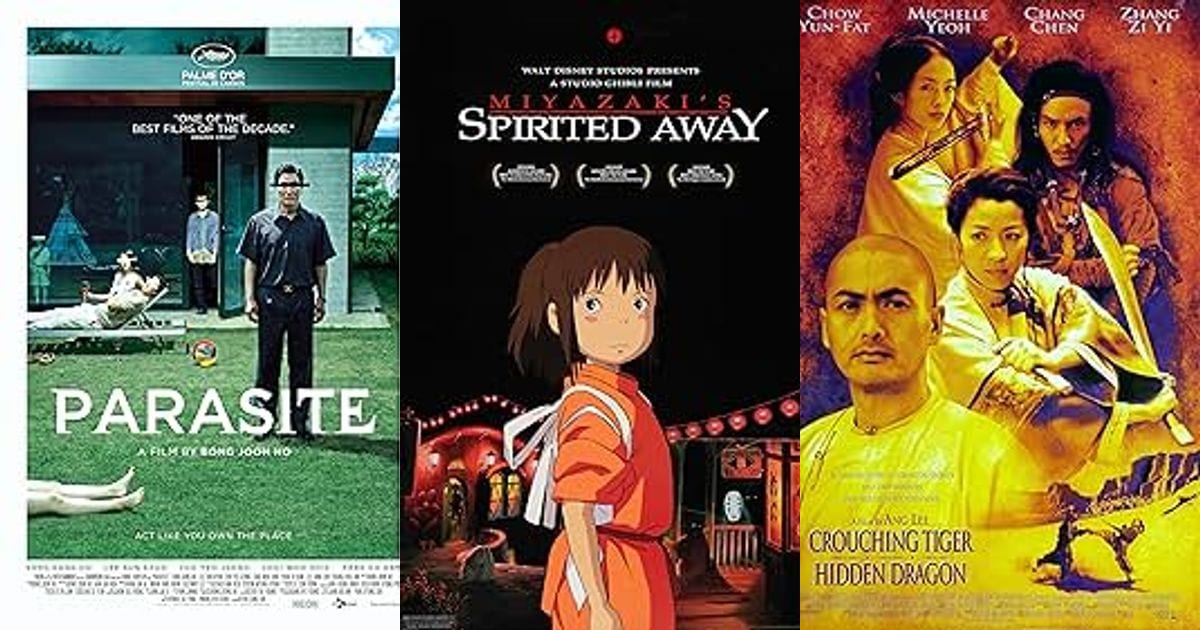
Lost in Translation: The Funniest Foreign Movie Titles Ever
Some translated movie titles are pure marketing genius, some are baffling, and a few beloved ones probably never existed at all. Here's a tour through the real, well-documented cases.
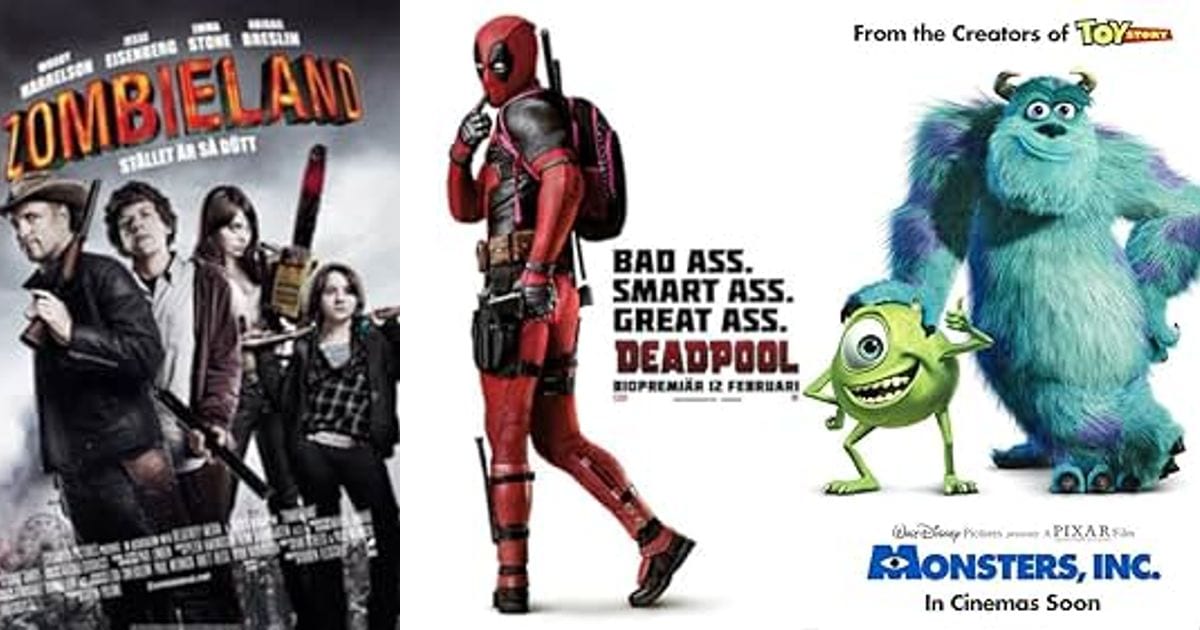
The Weirdest Celebrity Cameos You Completely Forgot Were in These Movies
From Hitchcock sneaking into his own films to Tom Cruise vanishing under prosthetics, here are the real, documented celebrity cameos so blink-and-you-miss-it that even devoted fans forget they happened.
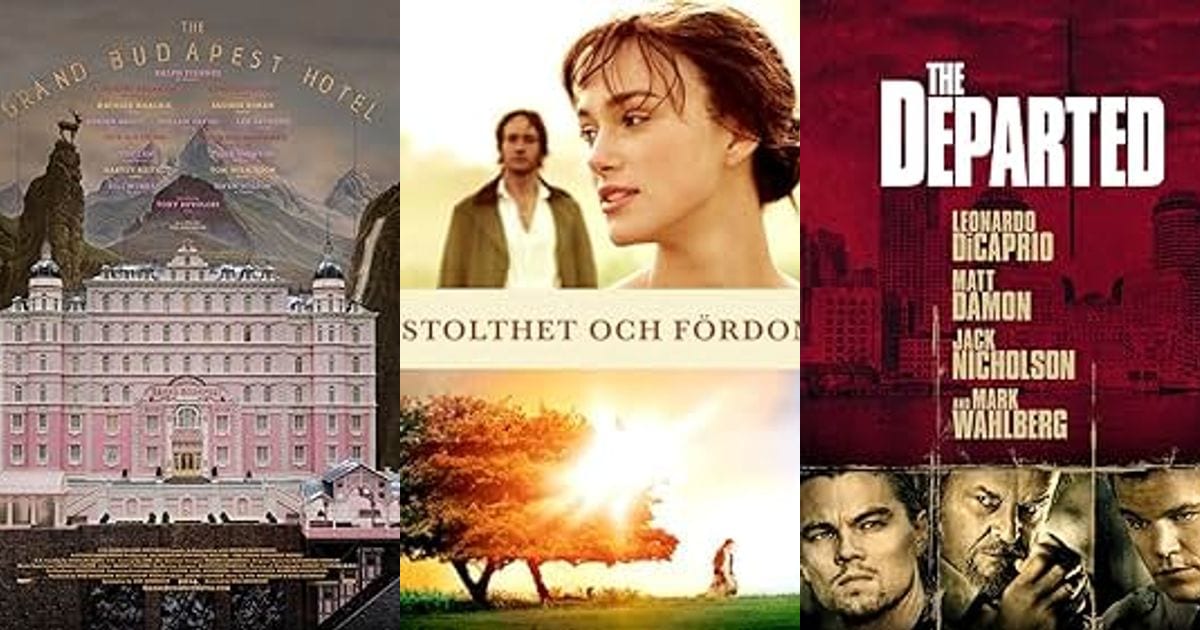
How Costume Design Tells a Story Before Anyone Speaks
No dialogue needed. Great costume design tells you exactly who a character is the moment they walk on screen.