
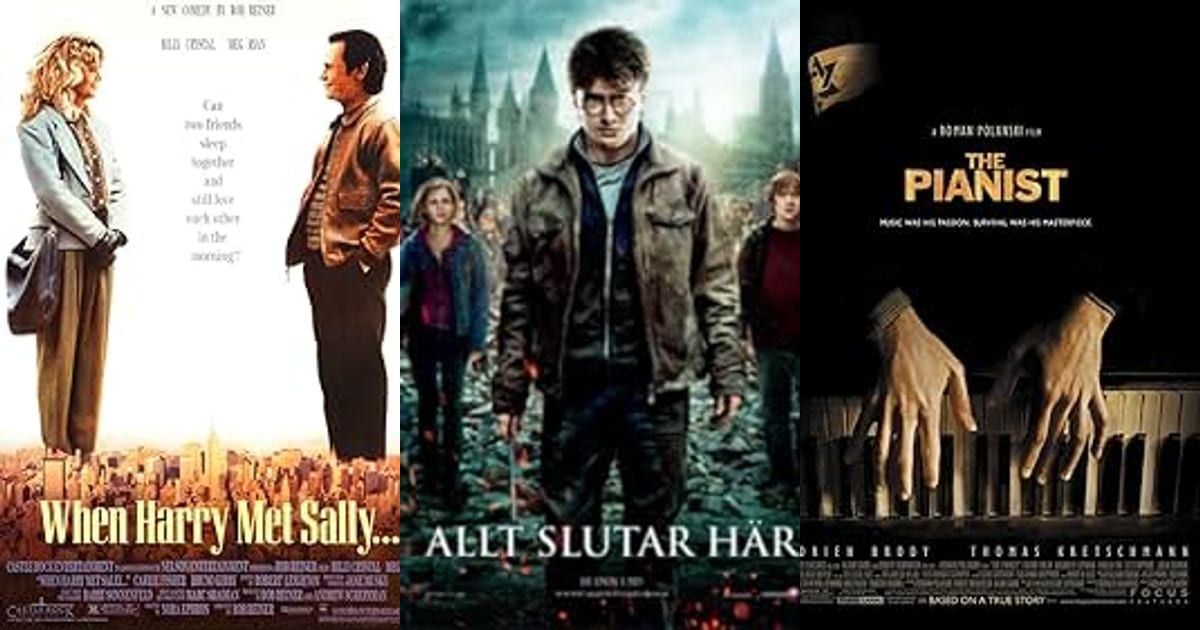
Navigating the Cinematic Landscape
Walking into film culture can feel like learning a new language — Film Noir, Neo-Realism, Cyberpunk — with everyone expecting you to nod along. At their core, genres are just promises between filmmaker and audience about the kind of experience you're about to have.
That promise is a contract. When you buy a ticket to a horror movie, you're agreeing to be scared; when you buy a ticket to a romantic comedy, you're agreeing to root for two people to end up together, probably at an airport, probably in the rain. Genres exist because audiences like knowing roughly what they signed up for, and filmmakers like having a shared vocabulary to either fulfill or cleverly subvert. Once you understand the basic promises, you'll start noticing when a film keeps its word, breaks it on purpose, or mixes several promises into one very satisfying two hours.
The Core Pillars
- Action: The promise of adrenaline. Conflict resolved through physical feats and chases; plot usually takes a back seat to pacing. (Die Hard, Mad Max).
- Sci-Fi: The promise of "what if?" Exploring ideas through technology, space travel, or future societies. (Blade Runner, Arrival).
- Horror: The promise of fear. Aims to unsettle you, tap primal anxiety, or just gross you out — the most physical genre there is. (Halloween, Get Out).
- Film Noir: Not just black and white — a mood of cynical heroes, femme fatales, and moral ambiguity where everyone is doomed from the start. (Double Indemnity, Chinatown).
- Comedy: The promise of laughter, built on timing, character flaws, and social embarrassment. It ranges from broad slapstick to dry, awkward "cringe" humor. (Airplane!, Bridesmaids).
- Drama: The promise of emotional truth. No explosions required — just believable people making hard choices and living with the consequences. (Kramer vs. Kramer, Manchester by the Sea).
- Romance: The promise of connection. Will-they-won't-they tension resolved, usually, by a grand gesture at exactly the right moment. (When Harry Met Sally, Pride & Prejudice).
- Thriller: The promise of tension. Plot mechanics built to keep your pulse elevated through suspense and dread rather than outright scares. (North by Northwest, Se7en).
- Western: The promise of frontier morality. Lone figures, vast landscapes, and codes of honor tested by violence. (The Searchers, Unforgiven).
- Musical: The promise of spectacle. Emotion expressed through song and choreography rather than dialogue alone. (Singin' in the Rain, La La Land).
- Documentary: The promise of truth, or at least a persuasive argument, built from real people, real footage, and real stakes. (Won't You Be My Neighbor?, Man on Wire).
- Fantasy: The promise of wonder. Magic systems and invented worlds where the impossible has its own internal logic. (The Lord of the Rings, Pan's Labyrinth).
- Mystery/Crime: The promise of a puzzle. A crime is committed, clues are scattered, and a detective — or the audience — pieces it together. (Knives Out, The Usual Suspects).
- War: The promise of consequence. Combat and its human cost, whether the film is glorifying heroism or interrogating it. (Saving Private Ryan, Full Metal Jacket).
- Animation: Less a genre than a medium, but one that unlocks the promise of limitless imagination — visuals and physics live-action simply can't touch. (Spirited Away, Spider-Man: Into the Spider-Verse).
Subgenres: Where the Real Fun Starts
Once you're comfortable with the core pillars, the real pleasure of film literacy is discovering how each genre splits into smaller, weirder branches. A subgenre takes a broad promise and adds a very specific flavor to it.
- Neo-noir: Takes film noir's cynicism and moral shadows and drops them into a modern setting, often with color cinematography instead of black and white. (Drive, L.A. Confidential).
- Slasher: A horror subgenre built around a masked killer picking off a group of victims one by one, usually with a "final girl" left standing. (Halloween, Scream).
- Found footage: Horror or thriller shot as if it's recovered amateur or documentary footage, which trades polish for a queasy sense of "this could be real." (The Blair Witch Project, Paranormal Activity).
- Space opera: A sci-fi subgenre that trades hard science for melodrama, sprawling empires, and swashbuckling adventure among the stars. (Star Wars, Dune).
- Screwball comedy: Fast-talking, gender-sparring comedies from the 1930s and '40s, where the romantic leads bicker their way into falling in love. (Bringing Up Baby, His Girl Friday).
- Giallo: An Italian genre blending stylish, lurid murder-mysteries with slasher-style violence and eye-popping color, pioneered by directors like Dario Argento. (Deep Red).
- Rom-zom-com: Exactly what it sounds like — romance, zombies, and comedy stitched into one very British hybrid. (Shaun of the Dead).
- Buddy cop: An action-comedy subgenre built on mismatched partners forced to work together, bickering their way toward mutual respect. (Lethal Weapon, Rush Hour).
- Mumblecore: Ultra-low-budget, naturalistic dialogue-driven dramedy that emerged from American independent filmmaking in the 2000s, favoring mumbled, overlapping conversation over polished scripts.
Reading a Genre Before You've Even Seen a Frame
Studios spend enormous effort signaling genre before the film starts rolling, because a mismatched expectation is the fastest way to lose an audience. The poster is the first tell: a horror poster favors desaturated blues and a single ominous object in negative space; a romantic comedy poster favors bright pastel backgrounds and two leads angled toward each other, usually mid-laugh. Title typography does its own quiet signaling — a jagged, dripping font says horror before you've read a single word, while a soft, rounded script says romance or family comedy. Trailers lean on the same shorthand: a thriller trailer builds through short, hard cuts and a rising musical drone; a comedy trailer front-loads its biggest jokes and lets scenes breathe; a horror trailer holds on a silent, still shot just a beat too long before the jump-scare sting. Once you notice these cues, you can often guess a film's genre from a thirty-second trailer with the sound off.
Genres Evolve With Culture
Genres aren't fixed categories handed down from on high — they rise and fall with what audiences want to feel at a given moment, and film history is basically a record of those mood swings. The Western dominated American cinema through the 1940s and '50s as a kind of national mythology, then spent the following decades being picked apart and reinvented by revisionist entries like Unforgiven before all but disappearing from multiplexes. The superhero movie existed as a niche curiosity for decades before exploding into the dominant blockbuster genre of the 2000s and 2010s, largely on the back of the interconnected Marvel Cinematic Universe. Erotic thrillers were a fixture of the 1980s and '90s (Fatal Attraction, Basic Instinct) and then all but vanished from mainstream theatrical release as the direct-to-video and streaming landscape changed what got greenlit. True crime, once a niche documentary corner, has become one of streaming's biggest genres, feeding an appetite for real-world mystery that podcasts helped cultivate first. None of this is an accident — it's genre responding, in real time, to what a given generation of audiences is anxious about, nostalgic for, or simply in the mood to watch on a Friday night.
The Beauty of the Hybrid
Modern cinema loves mashing genres together. Alien is a haunted house movie set in space. Shaun of the Dead is a zombie movie that's also hilarious. Everything Everywhere All At Once is, well, everything. Don't get hung up on labels — they're just starting points for exploring the map.
Once you start looking, hybrids are everywhere, and they're often the most memorable films precisely because they refuse to sit still in one box. Get Out works as a horror movie and a razor-sharp social thriller at the same time, using the genre's mechanics to say something the genre alone couldn't. Guardians of the Galaxy is a space opera that's also unapologetically a comedy, built around needle-drops and one-liners as much as laser blasts. No Country for Old Men is a western wearing a thriller's clothes wearing a noir's fatalism. Deadpool is a superhero movie that spends half its runtime making fun of superhero movies. Jojo Rabbit somehow balances comedy, war drama, and coming-of-age story without any of the three undercutting the others.
Why Genre Labels Matter (Even Though They're Also a Bit of a Trap)
Genre isn't just a shelf label — it's a practical tool. Streaming platforms use increasingly specific micro-genres to recommend your next watch, marketing teams use genre to decide what a trailer should promise, and awards shows like the Golden Globes still split their top prizes between drama and musical/comedy categories, which occasionally produces some very strange bedfellows on nomination night. Knowing the genre conventions also makes you a sharper viewer: you start noticing when a horror movie is quietly a grief allegory, or when a comedy is using laughs to smuggle in something much sadder.
The trap is treating genre as a cage instead of a compass. The best films are frequently the ones that use audience expectations against them — a thriller that turns out to be a love story, a comedy that ends in tears, a monster movie that's really about immigration or addiction or loneliness. Genre gives you a vocabulary for talking about what a film is doing, but it was never meant to be the whole answer to what a film is about.
The next time someone asks what your favorite genre is, it's fine to say "I don't have one." The best film year of your life will probably be a mess of six genres you never expected to enjoy together — and that's exactly how it should work.
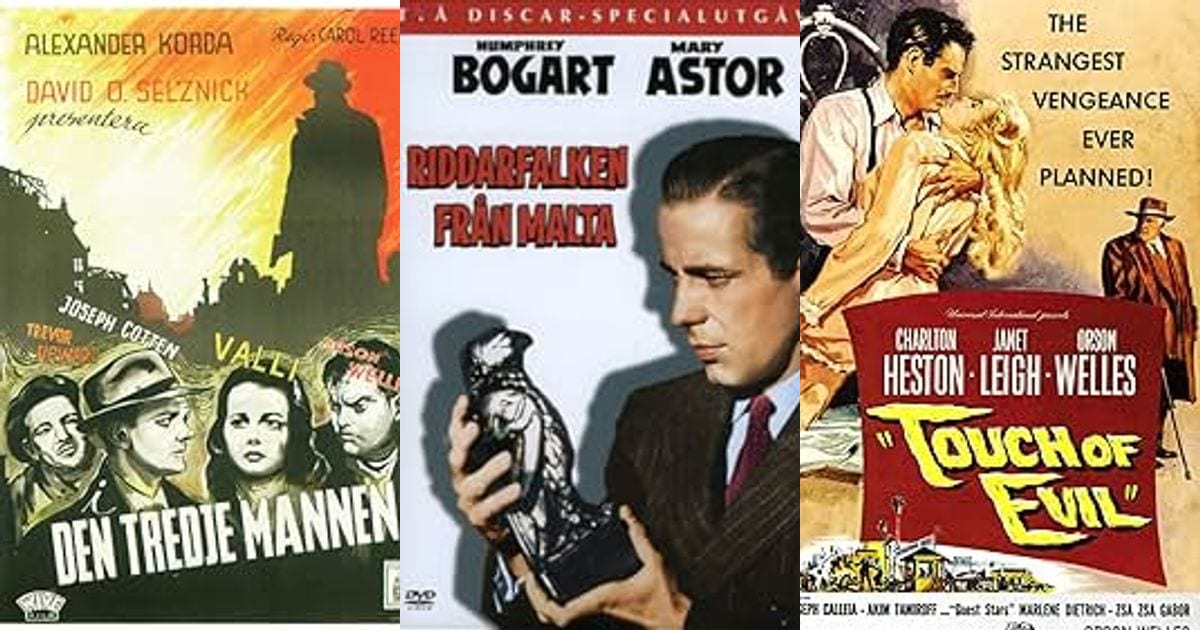
Film Noir 101: Your Guide to Cinema's Shadiest Genre
Shadows, cigarettes, and moral rot. Here's everything you need to start watching film noir.
How to Host a Movie Quiz Night (With a Free 40-Question Quiz)
The format, the timing, the scoring, and the four mistakes that sink most home quizzes — plus a complete 40-question movie quiz with answers, ready to run tonight.
Movie Drinking Games That Will Absolutely Get You Too Drunk
A tongue-in-cheek guide to drinking games built around the most repetitive movies and genres of all time, with a serious note on keeping the whole thing fun and safe.