
Becoming a Cinematic Detective
Directors love playing games with their audience, hiding references and inside jokes — Easter eggs — that reward the fans who pause, rewind, and rewatch. It turns a casual viewer into a superfan. What started as a handful of practical jokes slipped past overworked studio executives has become, in the era of 4K remasters and frame-by-frame scrubbing, an entire subculture of forensic film-watching. There are online communities devoted to nothing else, and video essays with huge followings whose entire premise is "things you missed." Directors, aware they now have an audience willing to do the homework, have only gotten more devious about where they hide the goods.
The term itself comes from video games — a programmer once hid his own name inside an early Atari title because the company wouldn't credit him, and the delight players felt discovering it made "Easter egg" the industry word for any hidden surprise. Film borrowed the concept wholesale, and it fits: a movie theater, like a video game, is a controlled environment where the creator decides exactly what you see and when. Hiding something in plain sight is an act of trust in the audience's attention span — a rarer commodity than it used to be.
Where to Look
- Background noise: Graffiti, bedroom posters, newspaper headlines. Marvel movies love hiding future villains here — a symbol tucked into a broadcast years before its owner gets a stand-alone film, or a company logo on a delivery truck that turns out to belong to a corporation you won't meet for several more movies.
- Alpha-numeric codes: A prominent license plate or room number is worth Googling. Pixar hides "A113" in almost every film — a reference to the CalArts classroom where many of its animators studied. It's shown up as a license plate, an apartment number, a shuttle designation, and a broadcast code across different films. Once you know to look for three letters and two digits, you'll find yourself squinting at every plate that flashes by.
- Credits names: Minor characters are often named after comic creators, effects artists, or the director's own family. Studios have been known to name a throwaway barista or security guard after the concept artist who designed the film's most memorable creature — a quiet thank-you that only someone who reads end credits obsessively will ever clock.
- Recurring props and brands: Some directors build their own fictional consumer world and keep reusing it across otherwise unconnected films. Quentin Tarantino's characters smoke a brand called Red Apple cigarettes in nearly every one of his movies, whether the setting is 1990s Los Angeles or the antebellum South — a small wink suggesting all his films technically share a universe, even the Westerns.
- Sound design: Not every Easter egg is visual. A scream first recorded for a 1950s Western has been reused in hundreds of films since, including the Star Wars saga, the Indiana Jones trilogy, and Peter Jackson's Lord of the Rings movies. Sound editors slip it in almost as a rite of passage, and once your ear is trained to it, you'll hear it everywhere.
Famous Examples You Might Have Missed
- Fight Club: David Fincher flashes single frames of Tyler Durden onto the screen before he's officially introduced — you feel his presence subconsciously before you see him. The film also hides a lookalike coffee-chain cup in nearly every single scene, a running joke about corporate omnipresence that most first-time viewers never register consciously.
- Raiders of the Lost Ark: Look closely at the hieroglyphs in the Well of Souls — you'll spot R2-D2 and C-3PO carved right in, courtesy of Spielberg's friendship with George Lucas. It's a two-way gag; Lucas has returned the favor in his own films more than once.
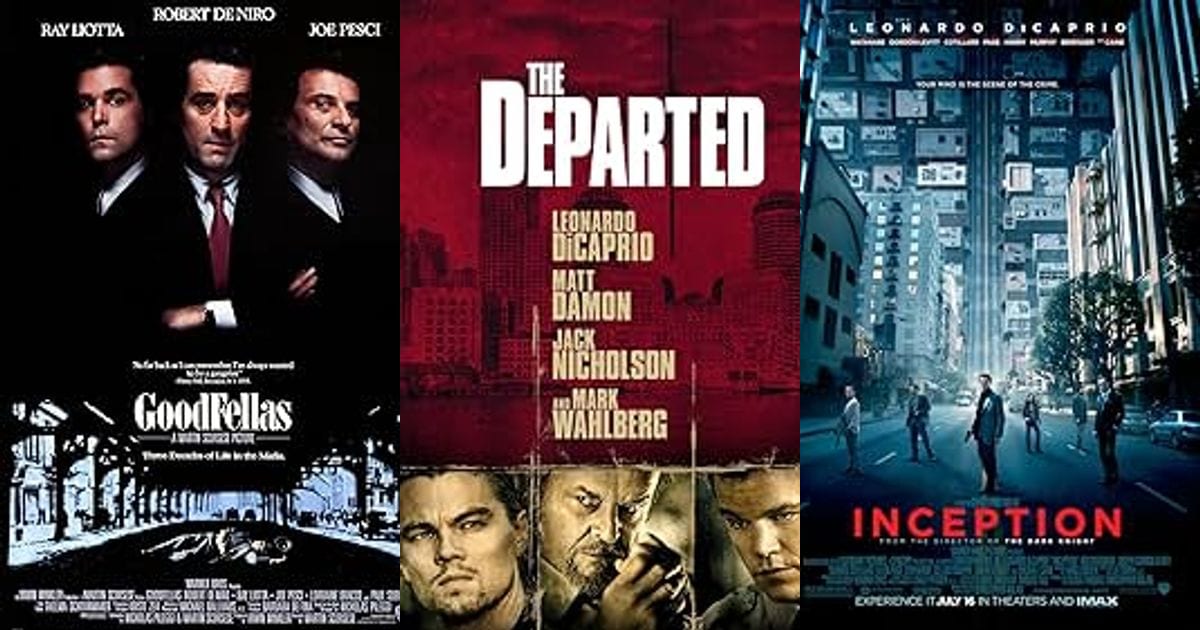
- The Departed: Scorsese places an "X" in the frame — tape, carpet patterns, shadows — shortly before a character dies, a subtle nod to the original 1932 Scarface, which used the same trick as a wink to censors and audiences alike.
- Back to the Future: When Marty McFly accidentally topples a pine sapling in 1955 while fleeing Biff, pay attention to the mall sign when he returns to 1985 — Twin Pines Mall has quietly become Lone Pine Mall, a continuity gag that rewards anyone paying attention to signage rather than dialogue.
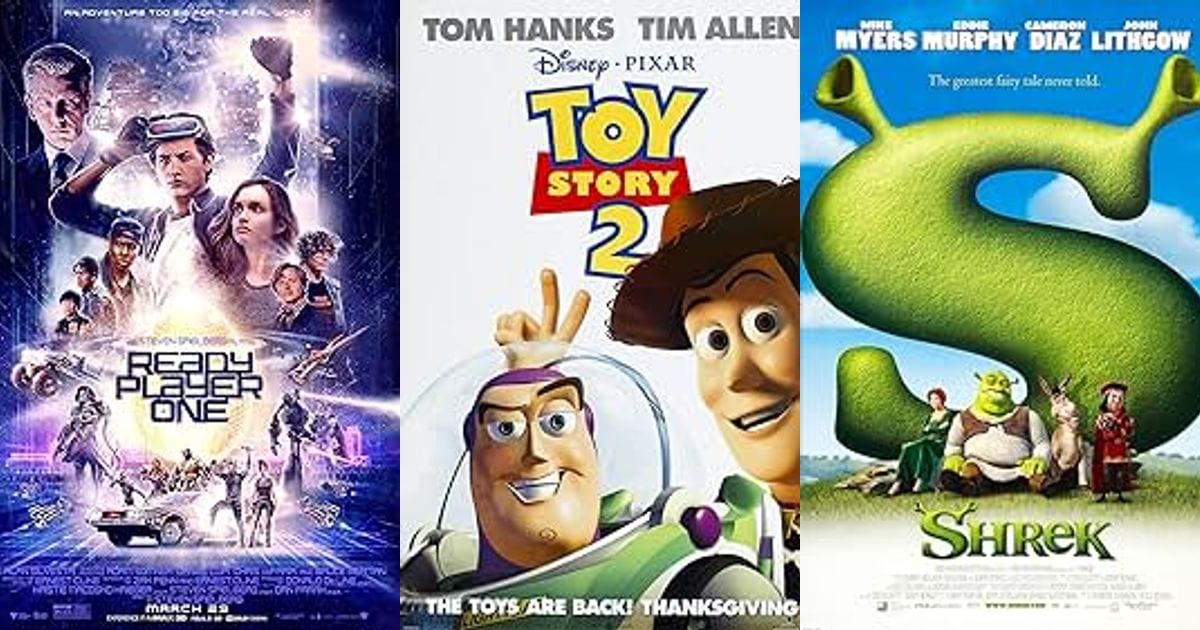
- Practically every Pixar film ever made: Keep an eye out for the Pizza Planet delivery truck from the original Toy Story — it has made a cameo in nearly every Pixar release since, sometimes parked in a driveway, sometimes glimpsed for less than a second in traffic. The striped rubber ball from the studio's very first short, Luxo Jr., shows up just as often, tucked into a toy box or a background shelf like a house crest.
- Alfred Hitchcock's entire filmography: The Master of Suspense famously gave himself a cameo in nearly every one of his own films, usually early on and usually gone in seconds — boarding a bus, walking a dog, fumbling with a musical instrument case. He treated it as both a personal joke and, eventually, a genuine challenge to audiences who started timing his appearances.
Directors With Signature Tricks
Some filmmakers don't just hide one-off jokes; they build entire personal mythologies out of repetition. Kevin Smith's early films are stitched together by the recurring duo of Jay and Silent Bob wandering in and out of otherwise unrelated plots, turning a handful of low-budget New Jersey comedies into a shared universe years before "shared universe" became a marketing term. Edgar Wright's so-called Cornetto Trilogy — Shaun of the Dead, Hot Fuzz, and The World's End — isn't connected by characters or continuity at all, just a private set of visual rhymes: a specific ice-cream brand appears in each film, a white van shows up at a pivotal moment, and someone always vaults an ordinary garden fence in a scene that has nothing to do with fences. None of it matters to the plot. All of it matters to the joke.
The Coen Brothers scatter numerology and callbacks across films that otherwise share nothing — a reused prop, a repeated line of dialogue, a character actor slotted into a wildly different role two decades later. Stanley Kubrick went the opposite direction, burying his details so deep that an entire documentary exists purely to litigate what the hidden imagery in The Shining might or might not mean. Whether or not you buy every theory floated about that film, the fact that a hotel carpet pattern can spark ninety minutes of academic debate tells you how far this rabbit hole goes.
Why Directors Bother
These details rarely change the plot. They exist purely as a gift to attentive viewers — a way of rewarding the people who watch closely instead of scrolling their phones. Once you start noticing them, you can't stop, and every rewatch becomes a slightly different movie.
There's also a practical, less romantic reason: hidden references are essentially free marketing. A single blurry screenshot of a background detail can generate a wave of "did you know" articles and a reason for people to watch a film a second or third time solely to confirm what they think they saw. Studios that once treated this as an accidental byproduct of enthusiastic crew members now treat it as a deliberate strategy — hence the modern glut of post-credits stingers, blink-and-you-miss-it cameos, and background props clearly placed there for internet sleuths to zoom in on later.
None of that undercuts the pure, nerdy joy of finding one yourself, unprompted, on your third rewatch at midnight. That's still the best way to experience it. A crowdsourced list telling you exactly where to look is useful, but it's not the same rush as catching Hitchcock stepping onto a bus in the corner of the frame before anyone tells you he's there.
Tools for the Hunt
If you want to actually go looking rather than wait to stumble onto something, a few habits help. Watch with the remote in hand and don't be afraid to pause on any shot that lingers a beat longer than the scene strictly needs — directors rarely let the camera sit on a background for no reason. Turn on the commentary track when one exists; plenty of directors will casually mention a hidden gag mid-anecdote about a completely unrelated production headache. And when in doubt, the internet has already done a chunk of the work for you — communities built entirely around cataloguing this stuff have turned amateur detective work into a genuinely useful reference, provided you don't let it replace the fun of finding your own.
Keep that pause button handy. Happy hunting.
A Word of Caution for Aspiring Detectives
Not every pattern you spot is intentional, and that's part of the fun as much as it's a trap. The internet is full of confident claims about hidden symbolism that a director never actually planted — sometimes a shadow is just a shadow, and a repeated color palette is just a production designer's preference rather than a coded message. The healthiest way to hunt for Easter eggs is to hold your theories loosely: get excited about a pattern, go looking for corroborating evidence in interviews or commentary tracks, and be willing to shrug and move on if it turns out to be coincidence. Confirmed Easter eggs — the ones directors and crew have talked about on record — hit differently than speculative fan theories, precisely because you know somebody sat in an edit bay and decided, deliberately, to put that detail there for you to find one day.
That's really the throughline connecting all of this: an Easter egg is a tiny act of communication between a filmmaker and a stranger they'll never meet, sent forward in time and trusting that someone, eventually, will be paying close enough attention to receive it. In a medium built for mass audiences, that's a surprisingly intimate thing to hide in a movie theater full of people.
How to Host a Movie Quiz Night (With a Free 40-Question Quiz)
The format, the timing, the scoring, and the four mistakes that sink most home quizzes — plus a complete 40-question movie quiz with answers, ready to run tonight.
Movie Drinking Games That Will Absolutely Get You Too Drunk
A tongue-in-cheek guide to drinking games built around the most repetitive movies and genres of all time, with a serious note on keeping the whole thing fun and safe.
Six Degrees of Kevin Bacon: How Small Hollywood Actually Is
The parlor game that turned Kevin Bacon into a punchline is secretly a lesson in graph theory — and it's the exact idea behind our Degrees of Separation game.