
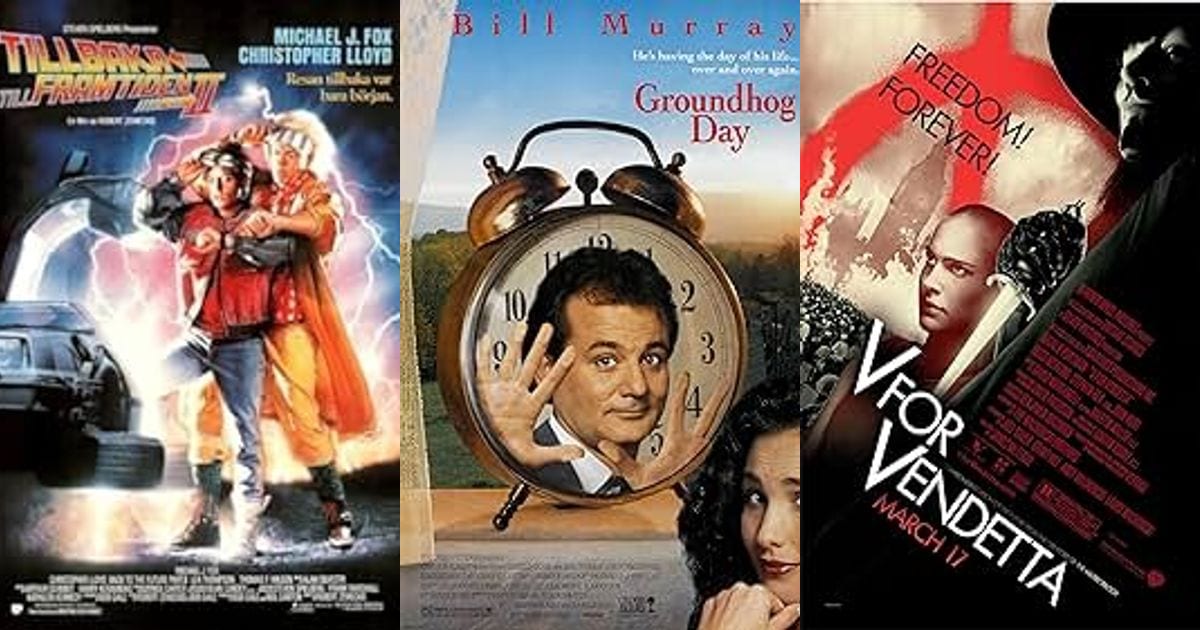
More Than Just Pressing Play
Anyone can put a movie on and order pizza. Hosting a genuinely great movie night is an art form — curating an experience that pulls your friends out of your living room and into the film. The difference between a night people forget by Tuesday and one they're still texting the group chat about a month later usually comes down to a handful of small, deliberate choices made before anyone sits down. Nobody remembers the movie night where everyone just stared at their phones during the boring bits. They remember the one with a theme, a ritual, and just enough friction to make it feel like an event instead of ambient noise.
Think of yourself less as someone pressing play and more as a programmer running a tiny, one-night film festival. Festivals have curation, atmosphere, and a schedule. Your living room can have all three, and none of it requires a budget beyond what you'd already spend on snacks.
Pick a Theme, Not Just a Movie
- So Bad It's Good: Think The Room or Troll 2. Heckling mandatory. Serve cheap beer and pizza rolls.
- Auteur Deep Dive: Pick one director and watch two films back-to-back. Wes Anderson night means everything is symmetrical and the snacks are pastel.
- Genre Roulette: Everyone writes a genre on paper, you draw one blind, then argue for fifteen minutes about what to actually stream. That argument is half the fun.
- Decade Time Capsule: Pick a single year — say, 1999 or 1994 — and watch whatever your group votes for from that year alone. It turns into a weirdly effective history lesson about hairstyles, needle drops, and what special effects looked like before everyone had a computer that could render fire convincingly.
- One Setting, Infinite Movies: Everything takes place on a plane, in a hotel, or over one single day. Die Hard, Panic Room, and Groundhog Day all qualify for different nights, and the constraint makes for surprisingly good conversation about how filmmakers cheat geography.
- Trailer Roulette Before the Main Event: Cue up three trailers for movies nobody in the room has seen and vote on which one you actually watch. It turns picking the movie into part of the show instead of ten minutes of scrolling before the show starts.
The Guest List Sweet Spot
More people does not automatically mean more fun. Somewhere past eight or nine guests, a movie night quietly turns into a party that happens to have a screen on in the background — side conversations start, someone inevitably asks "wait, what just happened," and the collective attention that makes a movie night feel special starts to fray at the edges. Four to six people is usually the sweet spot: enough for a lively pre-show and post-movie discussion, small enough that everyone can actually see the screen and hear the dialogue without subtitles becoming mandatory. If your list is naturally bigger than that, consider splitting into a recurring rotation rather than cramming everyone into one room — smaller, more frequent movie nights tend to build more of a tradition than one sprawling annual event ever will.
Ambiance and Logistics
Comfort matters — floor pillows are non-negotiable for bigger groups. Test your tech beforehand; nothing kills a vibe like buffering or a forgotten streaming password. Log into every app you might need before anyone arrives, confirm which service actually has the movie you want (studios shuffle catalog rights more often than anyone expects), and have a backup title ready in case the first pick turns out to be geo-locked or quietly removed the week you planned around it.
Seating is a bigger deal than people give it credit for. Nobody wants to crane their neck from a dining chair for two hours, and a single uncomfortable guest becomes the person who "just wants to check something on their phone" every ten minutes. Arrange seating so every spot has a real line of sight to the screen, keep the brightest lamp out of anyone's peripheral vision, and if you're hosting more than five or six people, consider a floor-level setup entirely — it flattens the room and makes latecomers easier to squeeze in without a seating renegotiation.
Pro tip: turn off "Motion Smoothing" on your TV. It makes movies look like cheap daytime soap and ruins the cinematic look entirely.
While you're in the settings menu, dim or disable any ambient light features on smart bulbs synced to your TV — the kind that flash colors during action scenes are fun for about four minutes and distracting for the other two hours. Also worth doing: silence phone notifications on the TV itself if you use a smart display, and put every phone in the room on silent, screen-down. A single blue glow from a lock screen in an otherwise dark room pulls every eye in the room toward it, including yours.
The Snack Strategy
Build a popcorn bar with a few seasoning shakers (ranch, cinnamon sugar, truffle salt) and balance salty with sweet. Pre-batch a themed cocktail so you're not stuck bartending — White Russians for The Big Lebowski, Vespers for James Bond. If you're hosting a horror night, a red punch that looks vaguely alarming under dim lighting does more for the mood than any decoration you could buy.
Portion things so you're not constantly refilling bowls mid-scene. Small individual bowls for each guest beat one giant communal bowl passed hand to hand — less rustling, less "wait, pause it, I need more," fewer crumbs migrating into the couch cushions for you to find in October. If the movie has a signature food moment — the spaghetti in a mob movie, the blue Sprite and popcorn combo from a Tarantino script, the Reese's Pieces from E.T. — leaning into it, even a little on the nose, gives people something to laugh about and remember.
Don't ignore dietary needs in the group chat invite. Nothing derails a carefully planned snack table faster than realizing at 7:55 that half your guests can't eat what's on it. A quick "any allergies or preferences?" line in the invite costs you nothing and saves you a last-minute pantry raid.
Set a Firm Start Time
Movie nights die a slow death when "we'll start around 8" turns into scrolling phones at 8:45. Send the start time twice — once as an invite, once as a reminder an hour before — and actually dim the lights and start on time. The ritual of a real start is half of what makes it feel like an event instead of background noise.
Consider building in a hard cutoff for latecomers, too. If someone texts at 8:50 that they're running behind, it's fine to say the movie starts at 8:00 sharp and they can slip in quietly — waiting fifteen minutes "just in case" for one person means everyone else's night starts fifteen minutes later, and that resentment is real even if nobody says it out loud.
The Pre-Show Ritual
The best hosted screenings borrow a trick from actual theaters: something happens before the film that signals "we are now watching a movie, not just sitting in a room with a TV on." That can be as simple as making everyone put their phone in a basket by the door, dimming the lights on a countdown, or playing a genuinely good trailer reel you cued up in advance. Even thirty seconds of ceremony resets the room's attention in a way that just hitting play never does.
If you want to go further, a one-minute intro where you say why you picked the movie — a personal connection, a fun bit of trivia, or just "this is criminally underrated and I need witnesses" — gives the audience a lens to watch through. People pay closer attention to films they feel they were let in on rather than just handed.
Reading the Room Mid-Movie
Not every film wants total reverent silence, and pretending otherwise is how you end up shushing your own guests into a bad time. Comedies and cult classics thrive on live commentary — let people riff. Tense thrillers and quiet dramas need the opposite; if you know a movie has a slow-burn first act, say so upfront so people don't check out during the setup and miss why the third act lands. Matching the room's energy to the film's actual demands, rather than a one-size-fits-all "shhh," is what separates a host who's just playing a movie from one who's actually curating an experience.
After the Credits Roll
Don't underestimate the value of a few minutes of unstructured talking once the movie ends before someone reaches for their coat. Some hosts keep a short list of discussion prompts on hand for exactly this — "worst decision any character made," "most quotable line," "did the ending earn itself" — nothing formal, just enough to turn "well, that's over" into an actual conversation. Those five extra minutes are often what people actually remember as "movie night," more than the film itself.
If the night was good, say so out loud and float the theme for next time before everyone leaves. Momentum for a second movie night is easiest to build while the first one is still warm — waiting a week to send a "we should do that again sometime" text almost never turns into an actual second night. Locking in a rough date on the spot, even a loose one, is what turns a one-off into a recurring tradition.
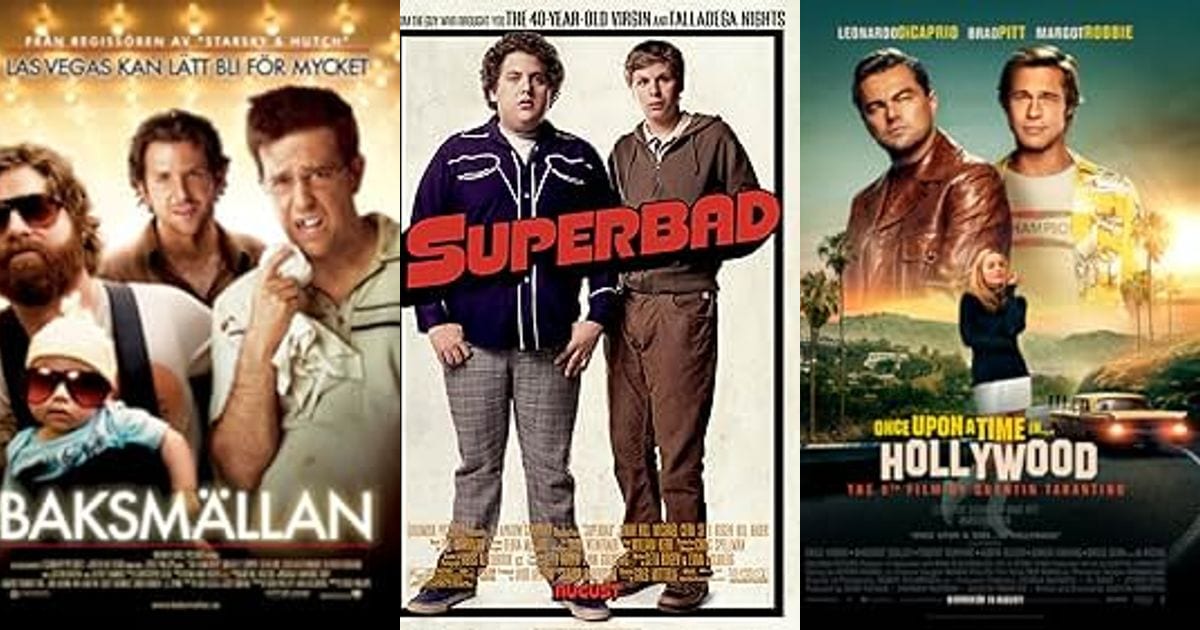
Movie Drinking Games That Will Absolutely Get You Too Drunk
A tongue-in-cheek guide to drinking games built around the most repetitive movies and genres of all time, with a serious note on keeping the whole thing fun and safe.
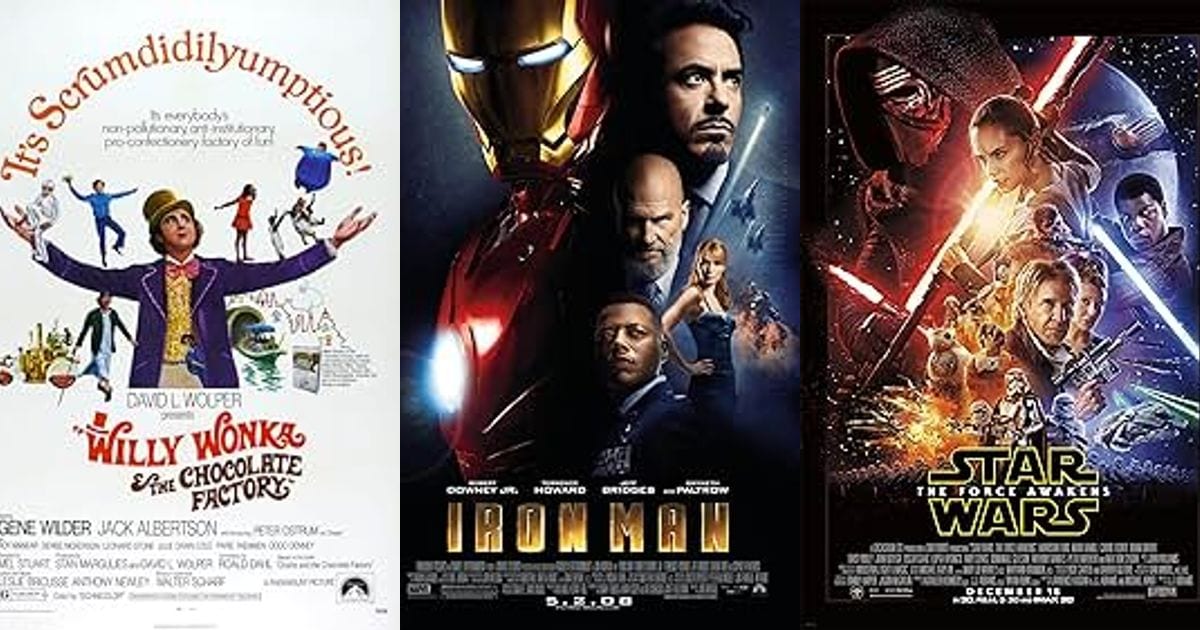
The Ultimate Guide to Snacking Through a Movie Without Chaos
Crunch without chaos: the definitive framework for snacking your way through any movie genre.
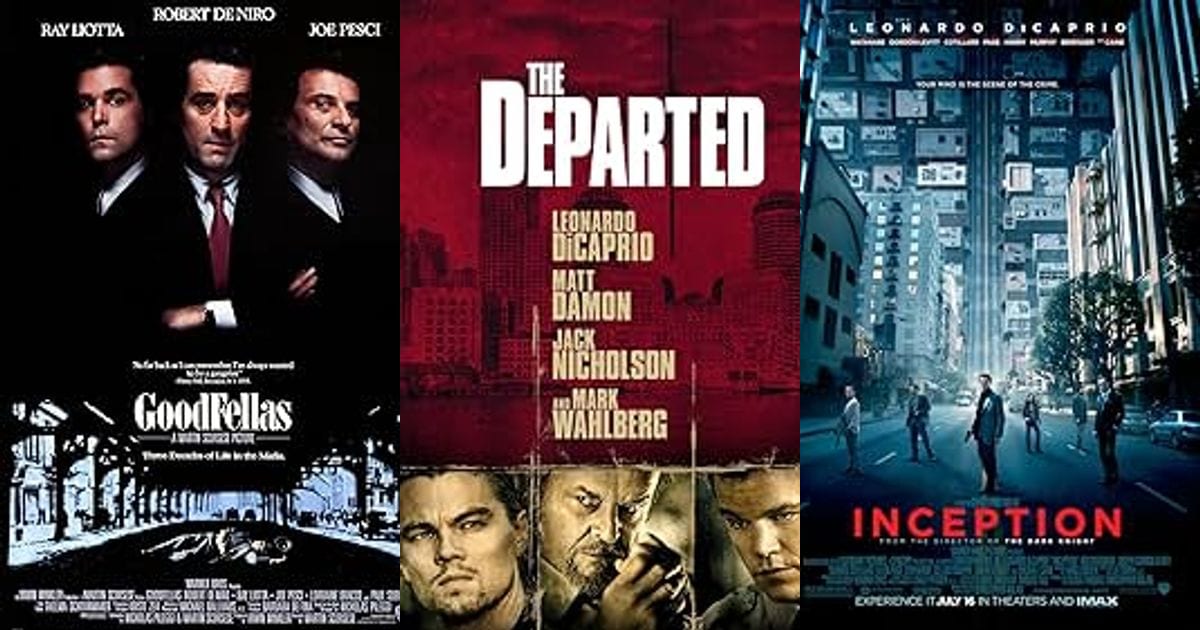
How to Host a Movie Quiz Night (With a Free 40-Question Quiz)
The format, the timing, the scoring, and the four mistakes that sink most home quizzes — plus a complete 40-question movie quiz with answers, ready to run tonight.