
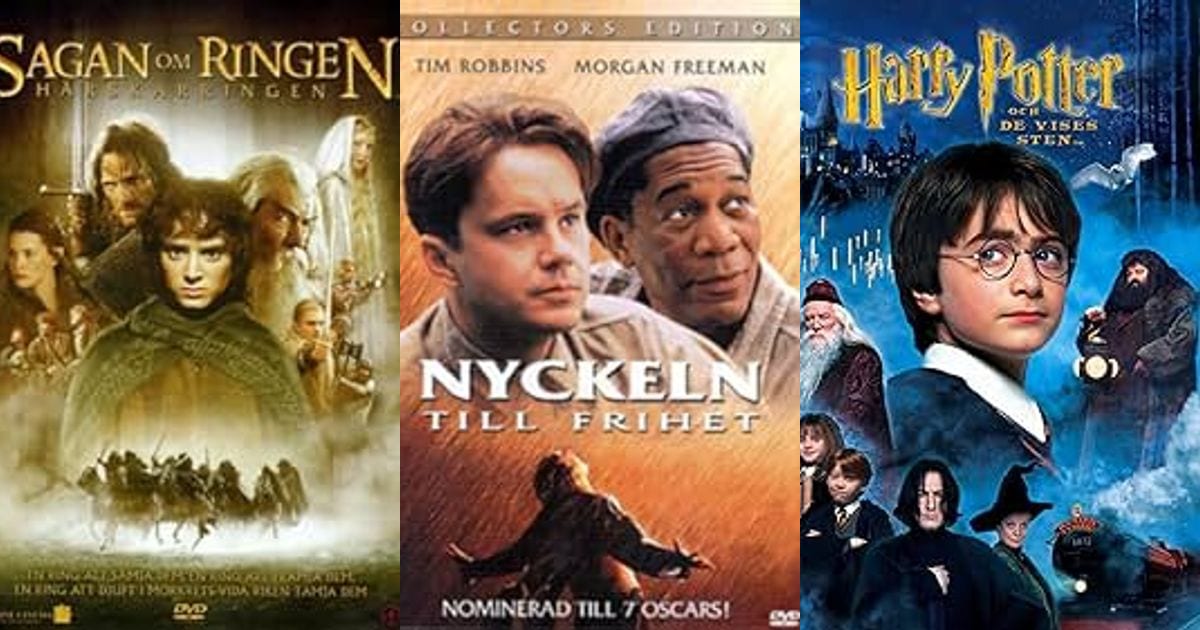
"The Book Was Better"... Usually
It's cinema's most common complaint, and often a fair one. Squeezing a 500-page novel into two hours means cutting characters, compressing timelines, and turning internal monologue into visual action. Most adaptations fail and produce soulless summaries — a checklist of plot points recited in order, with none of the texture, voice, or interiority that made the book worth reading in the first place. A novel can spend forty pages inside a character's head; a film has to find some other way to earn that same understanding, usually in a fraction of the time, and most adaptations simply never solve that problem.
But sometimes it works — because the best adaptations stay loyal to the theme and spirit of the source, not every sentence of it. The films that succeed tend to treat the book less like a sacred text and more like a blueprint: useful, informative, but not the finished building. They ask what the story is really about, strip away whatever doesn't serve that question, and rebuild the rest specifically for a visual, two-hour medium instead of a five-hundred-page one.
When the Movie Gets It Right
- The Godfather (1972): Coppola took Mario Puzo's pulpy, entertaining novel and elevated it into high art, stripping trashier subplots to focus purely on the family's tragedy. Puzo's book leans hard into soap-opera digressions — an entire chapter follows a minor character's surgically enhanced love life — and Coppola simply cut what didn't serve the Corleones' slow moral rot, then let his cast fill the remaining silence with performance instead of plot.
- The Lord of the Rings Trilogy (2001–2003): Peter Jackson captured Tolkien's staggering scope while keeping the Fellowship's emotional core intact. He cut Tom Bombadil entirely, and the film is better for it. He also compressed Tolkien's more meandering middle chapters and redistributed lines and motivations between characters — handing some of Glorfindel's role to Arwen, for instance — to keep a sprawling, decades-spanning saga legible across roughly nine hours of screen time instead of Tolkien's much slower-building thousand-plus pages.
- No Country for Old Men (2007): The Coens' stark minimalism was a perfect match for Cormac McCarthy's prose — practically a scene-for-scene translation of the novel's dread. McCarthy's dialogue is already famously spare and unpunctuated, almost screenplay-like on the page, which meant the Coens' main job wasn't inventing a cinematic voice so much as getting out of the way of one that already existed, then trusting silence and empty landscape to do the rest.
- Fight Club (1999): Author Chuck Palahniuk himself admitted the film improved on his book, specifically praising its streamlined ending. That's the highest compliment an adaptation can earn. David Fincher and screenwriter Jim Uhls also sharpened the narrator's voice into something colder and funnier for the screen, and the film's iconic visual grammar — the intrusive frames, the unreliable narration rendered as unreliable image — gave Palahniuk's twist a mechanism the prose alone couldn't quite replicate.
- Little Women (2019): Greta Gerwig remixed the timeline to make a 150-year-old story feel vital and urgent instead of dusty. By crosscutting between the sisters' childhood and adulthood, and by sharpening Jo's ambivalence about marriage and authorship into something closer to a direct conversation with Louisa May Alcott's own real-life compromises with her publisher, Gerwig turned a beloved but familiar story into something that felt like it was arguing with its own source material in the best possible way.
The Novels That Practically Wrote Their Own Screenplays
Some books make this job easier than others. Highly visual, dialogue-driven, tightly plotted novels tend to survive the jump to film far better than sprawling, interior ones. McCarthy's spare prose is one example; Elmore Leonard's crime novels are another — his clipped, propulsive style is a huge part of why adaptations like Get Shorty and Out of Sight feel so effortlessly cinematic, since so much of the writing is already dialogue and momentum rather than description. Contrast that with a dense, essayistic novel full of digressions and unreliable narration, and you can see why some "unfilmable" books stay unfilmable for decades before anyone even attempts them.
When Structure, Not Just Content, Gets Reinvented
The most confident adaptations don't just trim scenes — they restructure the entire story around what film can do that prose can't. Fincher's Gone Girl, adapted by Gillian Flynn from her own novel, keeps the book's mid-story perspective flip almost entirely intact, but the visual medium makes the audience's betrayal by the narration land as a gut-punch in a way that's harder to fully sell across four hundred pages of unreliable diary entries. Denis Villeneuve's Dune famously split a single dense novel into two films specifically because Frank Herbert's book front-loads so much political and ecological worldbuilding that compressing it into one film — as David Lynch's 1984 attempt tried and largely struggled to do — risks turning rich context into incomprehensible exposition dumped on the audience in voiceover.
Adaptations That Cut Ruthlessly — and Were Right To
Sometimes the improvement comes purely from the willingness to say no to material fans assumed was untouchable. Stanley Kubrick's The Shining discarded huge chunks of Stephen King's novel — its backstory, its more sympathetic take on Jack Torrance, even its climax — and King famously disliked the result for years, yet the film built its own entirely different, arguably more purely cinematic kind of dread out of empty hallways, unsettling symmetry, and Jack Nicholson's slow unraveling. Jaws similarly stripped Peter Benchley's novel of several subplots, including an affair and a mob-connected side plot, partly out of necessity — the mechanical shark famously malfunctioned constantly during filming — and partly because Spielberg and his writers correctly intuited that a lean thriller about a town and a shark was scarier than a novel juggling three separate stories at once. Both films prove that fidelity to a book's plot and fidelity to its power are not the same thing, and chasing the first can sometimes cost you the second.
The Uncomfortable Case of Forrest Gump
Not every improvement comes from trimming — sometimes it comes from softening or completely reworking tone. Winston Groom's original Forrest Gump novel is stranger, cruder, and considerably more cynical than the beloved Best Picture winner it became, with a plot that eventually sends its hero into space. The film sanded down that satirical edge into something gentler and more sentimental, and depending on who you ask, that's either a betrayal of the source material's spikier sensibility or the exact reason the film became a cultural phenomenon the novel never was. It's a useful reminder that "improved on the book" is not a purely objective category — sometimes what a film improves is simply its commercial and emotional accessibility, which isn't nothing, even if it's a different achievement than staying true to an author's original, weirder vision.
When the Author Adapts Themselves
Occasionally the person best equipped to decide what a film should cut is the same person who wrote the book, which removes a whole layer of translation from the process. Stephen Chbosky wrote both the novel and the screenplay for The Perks of Being a Wallflower, then directed it himself, giving him permission to change his own material in ways an outside screenwriter might have hesitated to pitch. Emma Donoghue adapted her own novel Room for the screen, restructuring how and when the story reveals information now that it no longer had a first-person narrator's interior monologue to lean on. Gillian Flynn did the same with Gone Girl, as already noted — and in each case, the author's willingness to cut their own sentences tends to produce a more confident film than when a studio hands someone else's beloved book to a screenwriter who's terrified of upsetting the fanbase. Authorial distance, it turns out, is sometimes more valuable than authorial ownership.
Short Stories, Long Films
It's also worth remembering that not every great adaptation starts from a novel at all. Some of cinema's most acclaimed films are expansions of source material that was originally quite short. Stephen King's novella Rita Hayworth and Shawshank Redemption runs a fraction of the length of The Shawshank Redemption's eventual runtime, meaning writer-director Frank Darabont had to invent — not just trim — significant material to fill out Andy Dufresne and Red's friendship into the film's emotional backbone. Philip K. Dick's short story "The Minority Report" gave Steven Spielberg little more than a premise and a mood, leaving the film to build out an entire world, cast of characters, and plot mechanics practically from scratch. In these cases, "adaptation" barely covers what's happening — it's closer to a film using a short story as a spark rather than a script.
The common thread: every one of these films was willing to cut, rearrange, reinterpret, or even substantially invent beyond the source material in service of the story it wanted to tell on screen — not the one printed on the page. Fidelity to a book's plot, it turns out, has surprisingly little to do with fidelity to what made that book worth adapting in the first place. The adaptations that last are the ones that understood the difference, and had the nerve to act on it.
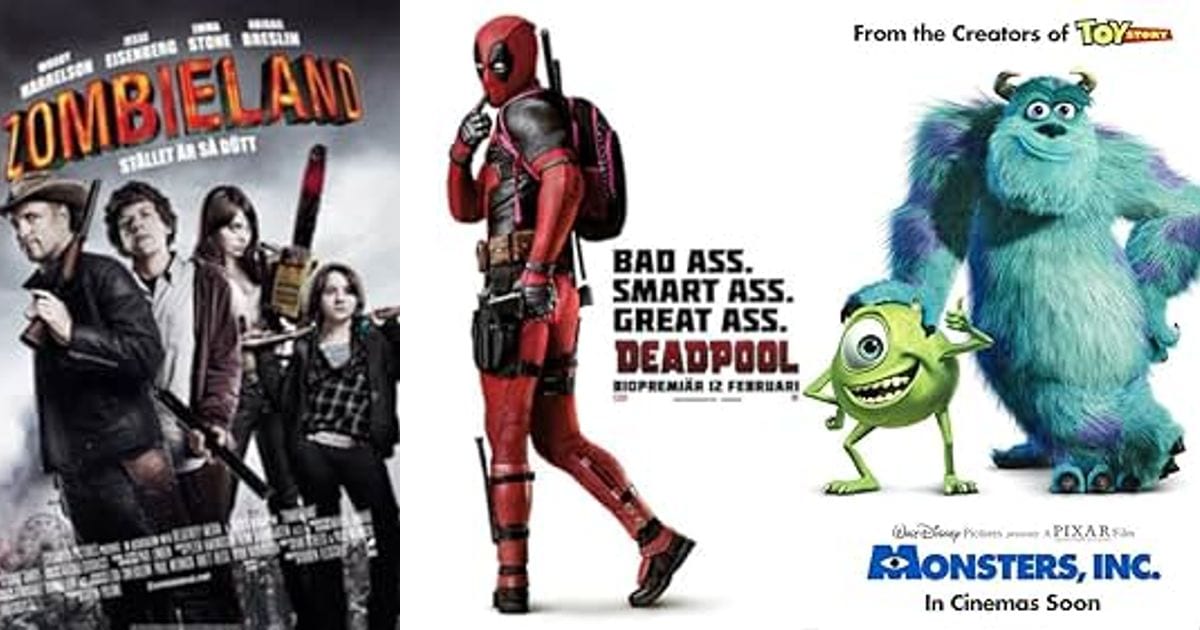
The Weirdest Celebrity Cameos You Completely Forgot Were in These Movies
From Hitchcock sneaking into his own films to Tom Cruise vanishing under prosthetics, here are the real, documented celebrity cameos so blink-and-you-miss-it that even devoted fans forget they happened.
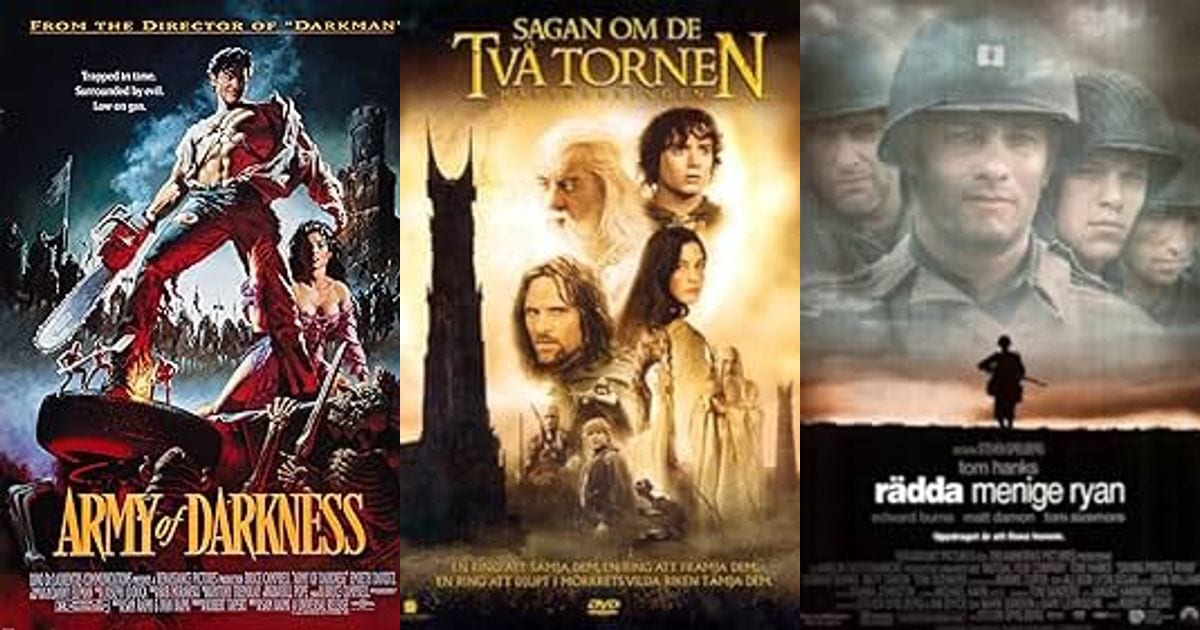
The Most Ridiculous Movie Taglines Hollywood Ever Approved
From sharks with grudges to sequels that admit they're not on a bus anymore, we rank the movie taglines so absurd they looped back around to genius — plus the rare ones that actually nailed it.
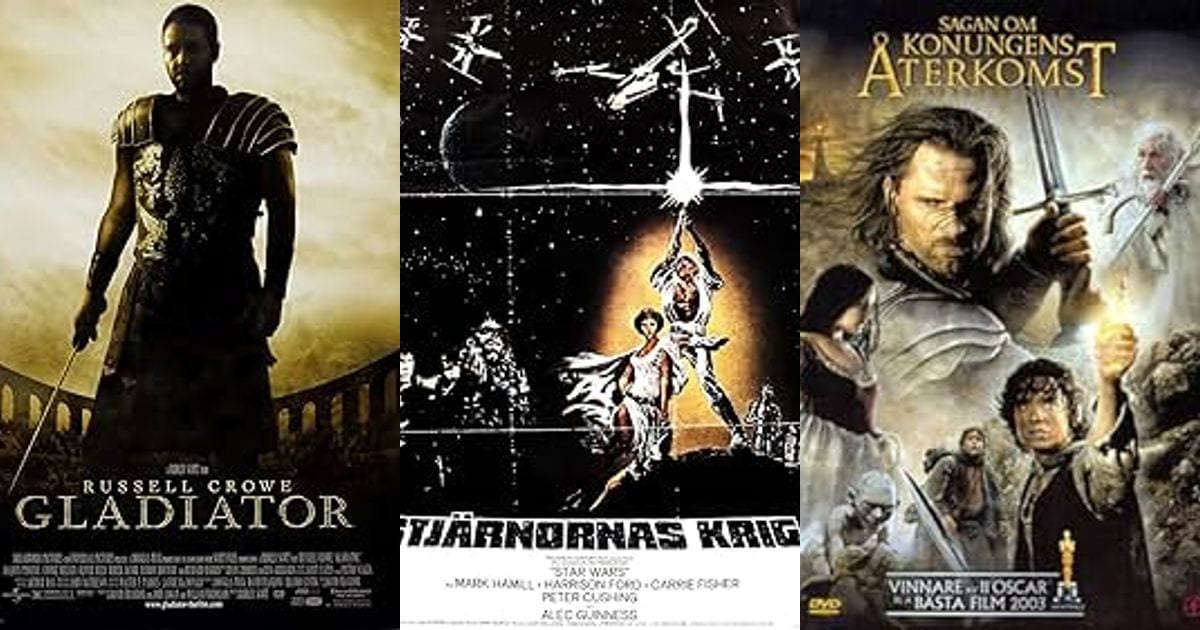
Movie Continuity Errors So Good They Became Legendary
From Pulp Fiction's shape-shifting wallet to Braveheart's time-traveling extras, some movie mistakes are so beloved that fans wouldn't dream of fixing them. Here's why continuity errors happen, and the famous ones we can't stop talking about.